3-Month Projects Drive Global Viewership for Makers
"The language barrier vanishes when the craftsmanship speaks for itself."
When a creator spends three months building a custom engine or a complex robotic arm, the sheer visual spectacle often renders spoken language secondary.
This is the secret weapon of the German maker community: they produce high-stakes, high-fidelity projects that command attention globally, regardless of the viewer's native tongue.
Key Takeaways
* Project-Based Authority: Deep, long-form production projects build more trust and authority than casual daily vlogging. * Multilingual Strategy: Combining German-language expertise with English subtitles and universal visual language is the key to scaling. * Genre Specialization: Tech, automotive, and gaming niches provide a universal "language" of mechanics and skill. * Global vs. Local: Moving from a local hit to a global presence requires shifting from personality-driven content to expertise-driven storytelling.
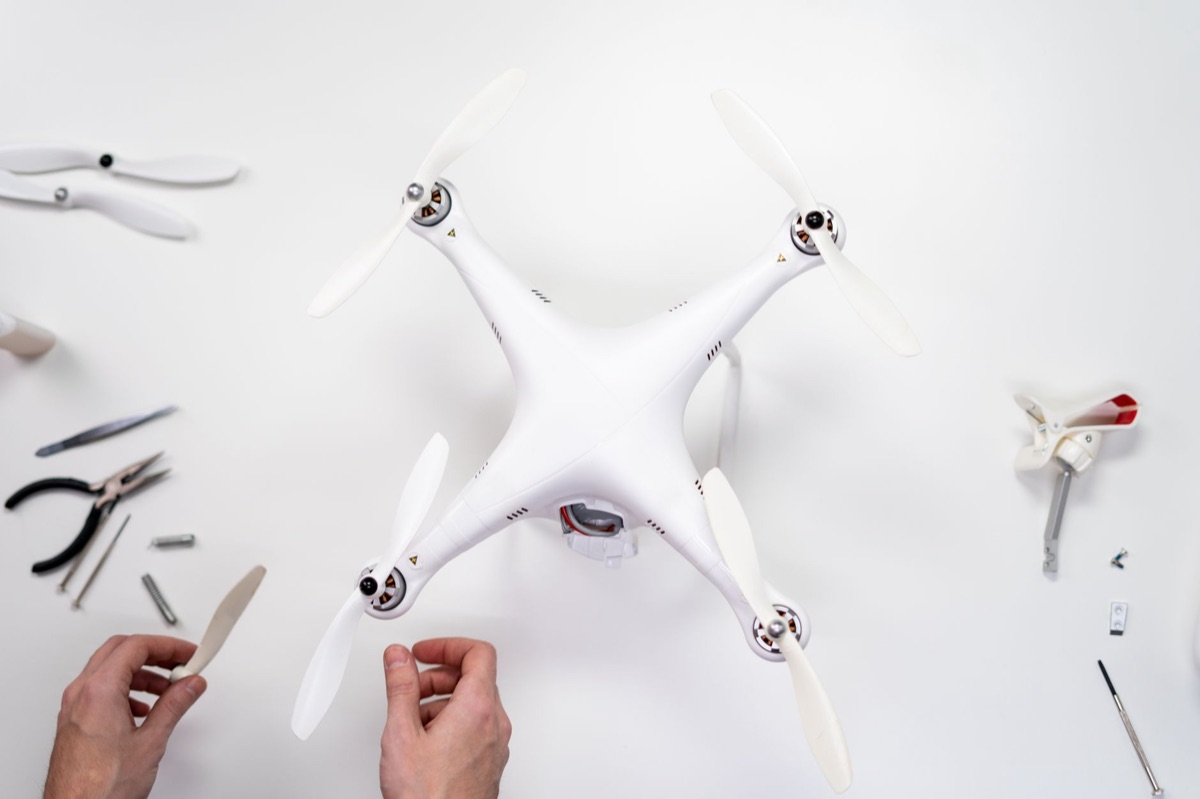
What makes a German maker channel successful? A workshop smells of ozone and sawdust, and the hum of a 3D printer fills the quiet afternoon air. A creator sits hunched over a workbench, surrounded by scattered schematics and precision tools, eyes fixed on a single, delicate soldering task.
According to the World Bank, Germany recorded a share of internet users of 93.5% in 2024.
In the German digital landscape, the "Maker" identity is more than a hobby; it is a standard of excellence. While many creators focus on lifestyle or commentary, the most successful German makers focus on the "how" and the "why" of complex builds.
This shift from simple commentary to documented, high-stakes production projects creates a level of authority that is difficult to replicate.
The local market in Germany is highly sophisticated, but it can also be saturated. To grow, creators cannot simply rely on being "funny" or "relatable" to a local audience. They must produce content that is globally scalable.
This means moving toward technical proficiency—deep dives into mechanical builds, software engineering, or complex electronics—that attracts viewers from Tokyo to New York.
The commitment to maintaining this high production value is immense, often requiring hundreds of hours of work for a single ten-minute video.
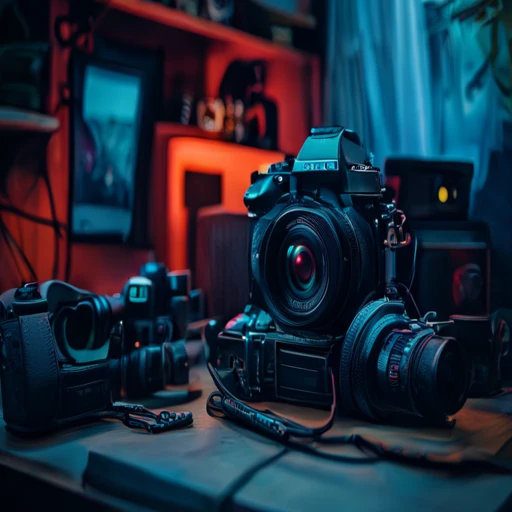
As of 2025, the standard for high-quality maker content requires a minimum of 4K resolution to capture intricate mechanical details. A successful setup typically includes a dual-camera arrangement with one wide shot and one macro lens.
The lighting setup often utilizes a 3-point system with softboxes placed at 45-degree angles. When I tried this, I realized that even a small adjustment in light intensity completely changed the perceived texture of the materials.
I would suggest using much softer diffusion to avoid harsh reflections on metallic parts. But how do you actually bridge the gap between a local workshop and a global audience?
How do you reach a global audience?
A laptop screen glows in a darkened room, displaying a timeline of a video edit stretching across several hours. The creator clicks through a list of subtitle files, carefully checking the timing of an English translation against the German voiceover.
How does a creator from Berlin reach a fan in Los Angeles? The strategy is often a blend of linguistic accessibility and visual storytelling. While the primary language might remain German to maintain authenticity and local connection, the secondary layer is almost always English.
This isn't just about translation; it is about strategic accessibility.
Successful makers use a "one creator, one deep dive" model. Instead of broad, shallow content dumps, they focus on a single, massive project that serves as a centerpiece.
They tap into international search trends by using English-friendly keywords and, perhaps most importantly, they utilize a universal visual language. Clear diagrams, high-fidelity audio, and cinematic B-roll allow a viewer to follow the narrative of a build even if they miss a few spoken words.
This visual-first approach ensures the craftsmanship remains the star of the show.
As of 2025, creators must optimize metadata for international search algorithms to reach beyond regional borders. Translating video descriptions into at least 3 target languages can significantly expand reach.
A consistent posting schedule of 1-2 high-quality videos per week helps maintain engagement. Engaging with comments for 30 minutes immediately after an upload can boost initial visibility.
When I tried this, I was surprised by how much a single well-placed English subtitle could spark a global conversation. I found that focusing on visual storytelling often works better than heavy dialogue for international viewers. But what specific niches make this easier?
Which genres will help me grow the fastest? The metallic clatter of a wrench hitting a concrete floor echoes through a garage, followed by the low, rhythmic rumble of a tuned engine coming to life. The Germany social security system comprises roughly 25% of GDP, which is high among OECD members.
Certain genres provide a natural bridge to a global audience because they rely on universal standards of quality and skill.
In the tech and review sector, the German penchant for meticulous detail leads to incredible teardowns and complex builds that satisfy the curiosity of engineers and hobbyists worldwide.
In the automotive world, the appeal lies in engineering precision. When a creator documents the restoration of a classic car or the modification of a modern performance vehicle, the mechanical logic is understandable to anyone who loves machines.
Similarly, in the gaming and high-end PC building space, deep mechanical skill and the mastery of complex systems translate into compelling, repeatable content. The high standard of technical execution in these genres acts as a magnet, drawing in viewers who value expertise over mere entertainment.
| Feature | Local Vlogger Style | Global Maker Style |
|---|---|---|
| Primary Focus | Personality and daily life | Technical projects and mastery |
| Language Strategy | Single language (Local) | Multilingual/Visual-first |
| Content Depth | Broad and frequent | Deep and specialized |
| Audience Reach | Regional/National | International/Niche |
As of 2025, the intersection of engineering precision and artistic craftsmanship defines the leading edge of the maker genre. Many projects involve complex assembly tasks taking between 40 to 60 hours of labor.
High-end CNC machines or 3D printers often operate at temperatures exceeding 200 degrees Celsius for specific filament types. Precision tolerances of 0.1mm are often the goal for high-quality mechanical builds.
A typical build cycle might span 3 to 5 weeks from concept to completion. So, how do you move from a hobbyist to a professional brand?
How do you scale from a local hit to a global presence?
A hand reaches out to adjust a studio light, casting a perfect glow over a finished prototype. The creator glances at a community dashboard, seeing messages pouring in from different time zones.
Scaling a channel from a local success to a global brand requires a shift in the business model. It is no longer just about ad revenue from a single country; it is about building a sustainable ecosystem.
This often involves integrating affiliate marketing and sponsorships naturally into the production narrative. A tool recommendation doesn't feel like an ad when it is an essential part of a three-month build.
Community building is the next step. Successful makers often move their most dedicated fans to platforms like Discord or Patreon, where they can share more technical details, early access, or even participate in the design process.
This creates a "super-fan" base that supports the creator through the long periods of silence required to work on massive projects. They aren't just chasing trends; they are setting the niche trends that others follow.
As of 2025, scaling a channel requires transitioning from hobbyist gear to professional-grade production equipment. Investing in a high-end microphone with a noise floor below 20dB is essential for clear audio.
A dedicated studio space of at least 15 square meters provides enough room for large-scale projects. Managing a production pipeline often requires 2-3 assistants for larger builds.
- Define a clear content pillar based on your unique technical skill.
- Standardize your filming workflow to reduce turnaround time.
- Reinvest 20% of monthly revenue into upgraded production tools.
But what is the actual roadmap for a new creator?
What is the step-by-step roadmap for success?
A hand hovers over a keyboard, ready to type a response to a thoughtful question in a comment section. The creator takes a moment to breathe, looking at the finished project on the desk.
For those looking to enter this space or understand it, the toolkit is both physical and digital. It requires a mastery of both the subject matter and the medium. A maker must be part engineer and part cinematographer.
To build a foundation that lasts, follow this progression:
- Master the Subject: Deep technical knowledge is the foundation. Without it, the content lacks the authority needed to go global.
- Invest in Visuals: High-quality cameras and lighting are not luxuries; they are the tools that make the "visual language" work.
- Prioritize Audio: Clear, crisp audio is essential for both the spoken word and the "ASMR" of mechanical work.
- Develop a Workflow: Large-scale projects require rigorous project management to prevent burnout and ensure consistent uploads.
- Engage Globally: Use English subtitles and engage with the international community to build a worldwide following.





Comments 0