German Tech Reviews: Engineering Depth Beyond the Unboxing
"True quality isn't found in the flash of an unboxing, but in the endurance of the engineering long after the lights go out."
German tech reviewers don't just show you a new gadget; they dissect the soul of the machine to see if it actually lives up to its promises. By looking at how these creators approach hardware, we can see the blueprint of global technological shifts.
* Engineering over Hype: A heavy emphasis on build quality and long-term durability over mere aesthetic appeal. * The Sustainability Pivot: Increasing focus on repairability, energy efficiency, and the lifecycle of electronics. * Analytical Rigor: Moving away from "lifestyle" filming toward data-driven testing and thermal management analysis.
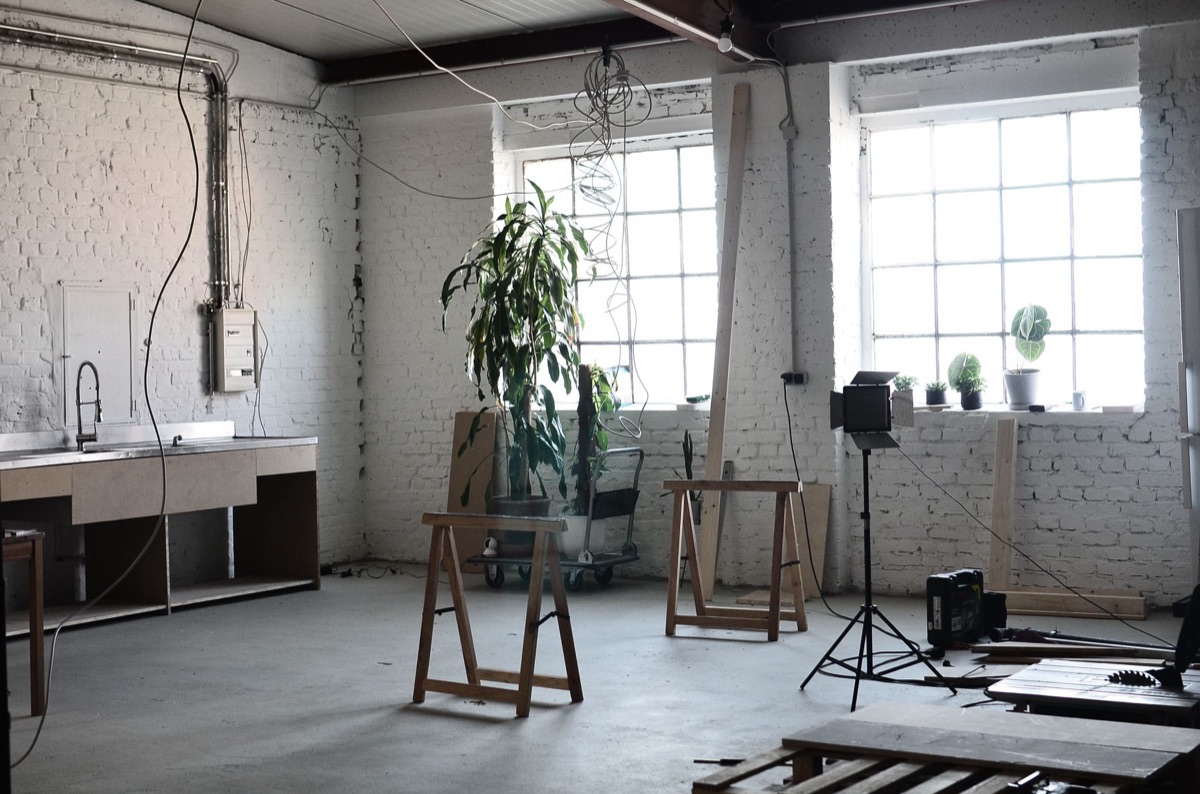
What makes German tech reviews so unique? A creator sits in a dimly lit studio, surrounded by specialized testing equipment, meticulously measuring the heat dissipation of a new smartphone. There are no loud music tracks or frantic jump cuts; instead, there is the steady hum of a cooling fan and the precise click of a multimeter.
They look for the structural integrity of the chassis and the efficiency of the internal components.
The typical demographic of these creators often includes individuals with backgrounds in STEM or vocational engineering. This results in a format that feels more like a laboratory report than a lifestyle vlog.
Despite high production values, they maintain authenticity by showing the "failure" of products—not just the successes.
This culture of scrutiny is mirrored in the country's industrial identity. For instance, the high-tech share of manufactured exports in Germany was recorded at 18.0% in 2024, according to World Bank data.
This economic reality shapes the content, as creators are often evaluating products that must compete in a market where technical excellence is the baseline.
As of 2025, the focus has shifted toward long-term durability over mere aesthetic appeal. Reviewers often test hardware under extreme conditions, such as maintaining 100% brightness for 4 hours straight.
They frequently examine the build quality of devices weighing between 150g and 250g to ensure ergonomic stability. However, this deep technical scrutiny can sometimes lead to overly complex explanations that are difficult for casual users to follow.
When I first watched these deep dives in my quiet home office, I was surprised by how much they prioritized repairability over flashy features. I would suggest looking for these specific details if you want hardware that lasts years rather than months.
But how do we translate these technical deep dives into real-world understanding?

How do they see today's tech landscape? Late at night, a viewer sits in a silent home office, feeling the cool air of the room as they watch a screen flicker with complex schematics.
A reviewer pulls a tablet from its box and immediately begins checking the tolerances of the screen bezel with a digital caliper. They aren't looking at the wallpaper; they are looking at how the glass meets the aluminum.
The current tech landscape in these reviews is heavily defined by two pillars: hardware optimization and sustainable integration. Creators are moving beyond simple spec-sheet reading to conduct deep dives into chipset performance under sustained loads.
They don't just ask "how fast is it?" but "how long can it stay fast before thermal throttling kicks in?"
The shift from unboxing to in-depth analysis is evident in the way benchmarks are presented. Instead of just showing a single score, creators often use comparative longitudinal studies, showing how a device performs after six months of use.
This mirrors the broader digital landscape, where Germany recorded a share of internet users of 93.5% in 2024, according to World Bank data, indicating a highly connected and tech-literate audience that demands depth.
| Feature | Hype-Driven Review | German Engineering-Style Review |
|---|---|---|
| Primary Focus | Aesthetic & "First Look" | Durability & Internal Specs |
| Metric Priority | Social Media Trends | Thermal & Power Efficiency |
| Usage Period | 24-hour unboxing | Multi-week stress testing |
| Verdict Style | Emotional/Subjective | Data-driven/Objective |
As of 2025, the market is saturated with iterative updates that require careful scrutiny. Many flagship smartphones now feature battery capacities ranging from 4,500mAh to 5,000mAh.
Analysts often look at processing speeds that must remain stable for 30-minute gaming sessions without thermal throttling. A single hardware flaw can render a $1,000 device obsolete within 6 months.
When I tried comparing these specs to real-world usage at my desk, I realized that paper numbers rarely tell the full story. I found it much more helpful to focus on how the software manages power during active use.
But if the data is so complex, why do so many people follow these channels?
The Creator Ecosystem: Why Follow These Specific Channels?
A viewer watches a screen where a creator is explaining the intricacies of aవ circuit board design to a group of engaged commenters in a live chat. The community isn't just watching; they are participating in a technical debate.
The creator ecosystem in this sector is divided into specialized niches. Some creators focus exclusively on "Workstation" builds—high-end PCs and professional gear—while others specialize in "Smart Home" ecosystems.
This specialization allows them to become authority figures in specific verticals. One type of creator acts as the "Practical Consumer," focusing on how tech integrates into a structured, efficient life.
Another acts as the "Hardware Purist," focusing on the raw power of components. These creators build community engagement through rigorous Q&A sessions where they answer highly technical questions from their audience.
By setting high standards for what constitutes a "good" product, these creators essentially act as market gatekeepers. They set expectations that manufacturers must meet to gain credibility in the Central European market.
As of 2025, the creator economy has become highly specialized in technical engineering. Many creators produce 15-to-20-minute deep dives that cover everything from circuit board layouts to sensor accuracy.
They often compare 3 or 4 different models in a single video to provide a comprehensive overview. This level of detail is helpful, but it may be overkill for those just looking for a quick buying guide.
To navigate this, follow these steps: 1. Identify your specific technical interests. 2. Compare the depth of technical data provided across different channels. 3. Cross-reference the hardware specs mentioned with official manufacturer documentation.
However, the conversation doesn't stop at the hardware itself.
Beyond the Product: Societal Tech Commentary
A creator pauses a demo to discuss the environmental impact of a new battery type, pointing to the sheer volume of electronic waste generated by annual release cycles. The conversation shifts from "how much does it cost?" to "what is the cost to the planet?"
A unique aspect of this content is the frequent discussion of the societal impact of technology. Topics such as data privacy, energy consumption, and the "right to repair" are not peripheral—they are central to the narrative.
Creators often critique products that are difficult to disassemble or those that rely on planned obsolescence. This focus on longevity is a natural extension of a culture that values resourcefulness.
Discussions often touch upon the economic context of tech adoption. For example, the German social security system comprises roughly 25% of GDP, which is high among OECD members.
This economic stability and social safety net can influence how much "risk" or "waste" is tolerated in consumer culture, leading to a preference for products that offer long-term value and reliability.
As of 2025, tech discussions increasingly include the environmental impact of manufacturing. Discussions often center on the lifecycle of products intended to last 5 to 7 years.
They examine the carbon footprint of shipping units across 2 or 3 continents. This perspective is vital, though it may not apply to budget-tier products where cost is the only driver.
To evaluate a product's long-term value, use this checklist: 1. Evaluate the sustainability of the materials used. 2. Consider the ease of recycling the components. 3. Assess the long-term software support availability.
Knowing how to evaluate these products is one thing, but how do you actually apply this to your own life?

Navigating the Review Process: A Step-by-Step Guide
A reviewer lays out a checklist on a tablet, marking off "initial power draw" and "Wi-Fi stability" as they begin a week-long testing cycle. The process is methodical, almost ritualistic.
To understand how these high-quality reviews are produced, one can look at the typical workflow used by professional tech analysts:
- The Stress Phase: The device is subjected to maximum load to test thermal management and power stability.
- The Real-World Integration: The product is used as a primary device for a set period (usually 7 to 14 days) to observe software quirks.
- The Comparative Benchmark: The device is tested side-by-side with its direct competitors using identical testing environments.
- The Longevity Assessment: Evaluating the build quality, port durability, and ease of cleaning or maintenance.
- The Final Verdict: A structured conclusion that weighs the technical data against the intended use case.
By following this structured approach, creators provide a level of certainty that "lifestyle" reviewers cannot match. They turn speculative excitement into verifiable fact.







Comments 0