German kids media balance: Education through joyful learning
"The balance between structured learning and pure entertainment is the cornerstone of child development."
German kids media balance often involves merging pedagogical goals with engaging storytelling to foster curiosity. This guide explores how such content works, provides insights into the educational value, and addresses the intersection of fun and facts.
This overview is intended for parents and educators interested in media quality, focusing on how engagement meets instruction through specific content structures.
How does German kids media balance fun and facts?
At dusk in the living room, a child leans forward to touch the glowing screen while watching a German cartoon blend a catchy song with a lesson.
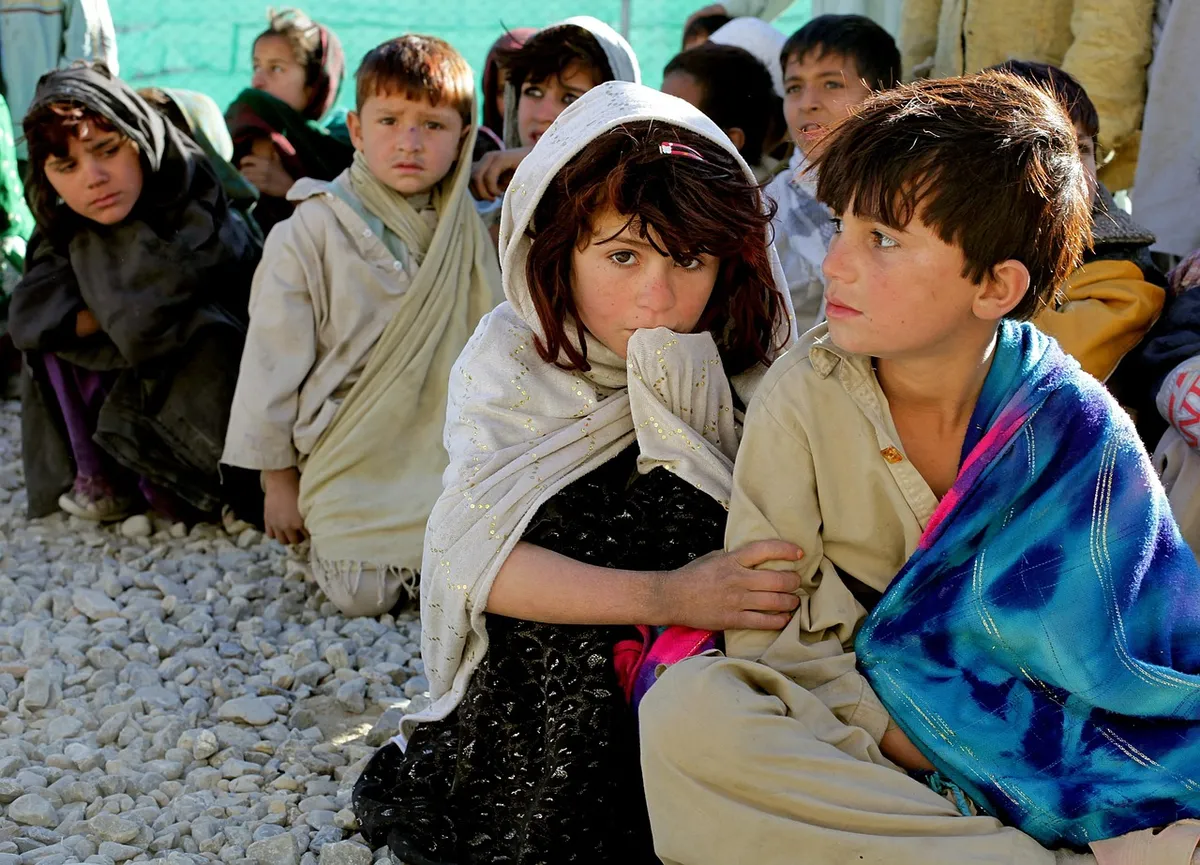
A child sits on a colorful rug, eyes wide as a cartoon character explains a complex concept through a catchy song. This engagement is the core of German kids media balance, where the goal is to keep a child's attention while delivering a lesson.
According to the OECD, the Germany social security system comprises roughly 25% of GDP, which is high among OECD members.
According to a report by the German Economic Institute, the German economy remains heavily reliant on China for various products and raw materials despite attempts to expand into other markets in April 2024.
By using rhythmic patterns and relatable characters, creators ensure that the educational takeaway feels like a natural part of the play.
The integration of storytelling and learning ensures that children remain active participants rather than passive viewers. This approach uses playful learning media to turn a simple viewing session into a cognitive exercise.
Instead of dry lectures, the content uses narrative tension to drive interest in the subject matter.
The effectiveness of these shows lies in their ability to mirror real-world curiosity. By presenting puzzles that require logical thinking, the media encourages problem-solving skills. This method ensures that the learning is not just an add-on but the very engine of the entertainment.
In this sequence, the first step is the most critical.
What defines edutainment for children?
A teacher watches a group of students laughing while they identify different shapes on a screen. This scene illustrates how edutainment for children functions as a hybrid of instruction and amusement. It is not just about being funny; it is about using humor to lower the barrier to difficult topics.
The following top 10 list of German cities with the highest per capita GDP is based on a study by the Cologne Institute for Economic Research on 31 July 2013.
Successful programs create a sense of discovery that keeps children coming back. The content often presents a mystery or a challenge that can only be solved by understanding the lesson. This creates a loop where the desire for resolution drives the desire to learn.
This style of media avoids the trap of being too childish or too academic. By maintaining a level of sophisticated storytelling, it respects the child's intelligence while providing necessary scaffolding.
The result is a deep dive into German kids shows that feels meaningful to both parents and children.
Why is playful learning media effective?
A parent watches a child repeat a sequence of sounds from a tablet, realizing the child is practicing a new language. This demonstrates why playful learning media is a powerful tool for early development.
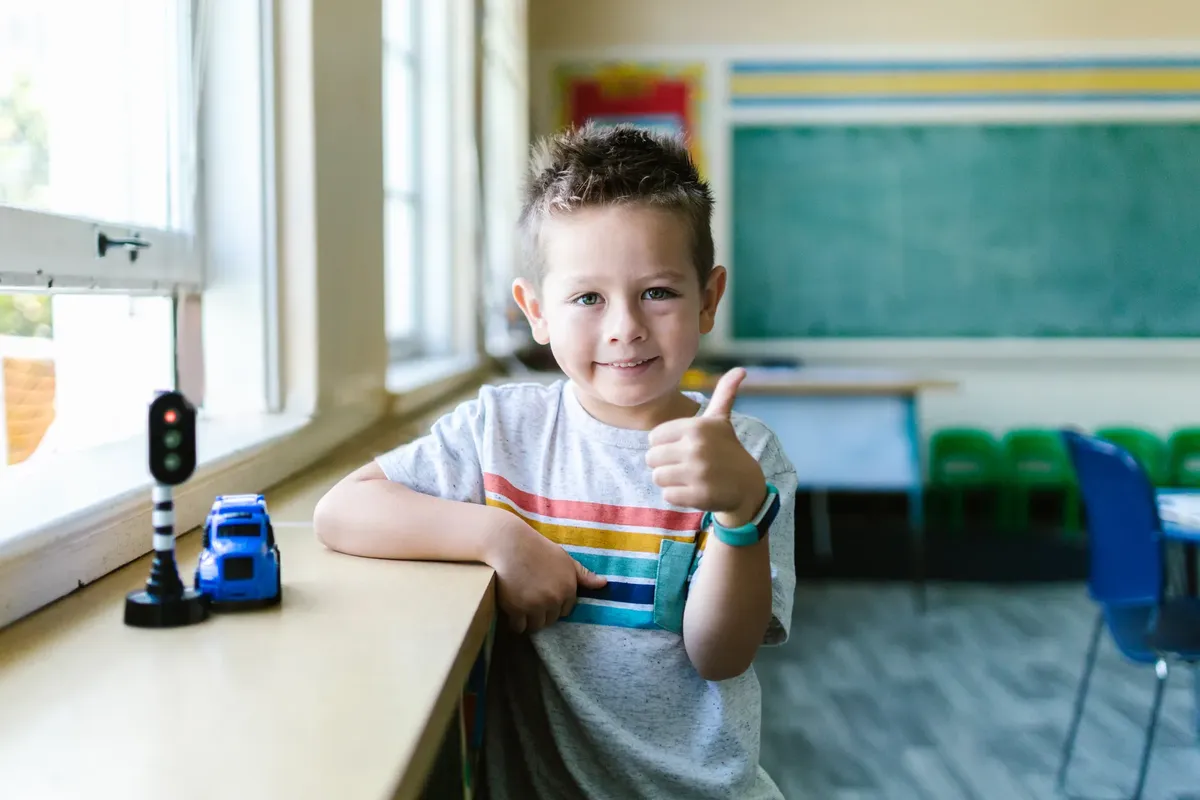
When children associate learning with joy, they develop a more positive attitude toward formal schooling.
The content typically uses interactive elements to prompt physical or verbal responses. This prevents the passive consumption that often plagues digital media. By requiring an action, the media turns the viewer into a participant.
The psychological benefit is a higher retention of information through emotional connection. When a character a child loves solves a problem, the child learns the logic behind that solution. This kinesthetic and emotional engagement makes the lessons stick.
How do kids content education strategies work?
A young student traces a line on a screen, following a character through a digital forest. This interaction is a staple of kids content education, where the interface itself becomes a teaching tool. The digital environment acts as a laboratory for experimentation and trial-and-error.
The strategy often involves scaffolding, where tasks start simple and gradually increase in complexity. This ensures the child is constantly challenged but never overwhelmed. Each small victory builds the confidence needed to tackle harder concepts.
Effective media also incorporates social-emotional learning into the curriculum. Characters navigate friendships, conflicts, and emotions, teaching children how to interact with the real world. This holistic approach ensures that development is not limited to academic subjects alone.
What are the benefits of joyful learning shows?
A group of children gathers around a speaker, singing along to a melody that teaches them about nature. This scene highlights the impact of joyful learning shows on collective engagement. Music and rhythm are used to encode information into memory in an intuitive way.
These shows often use vibrant colors and unique art styles to stimulate visual interest. This aesthetic appeal is not just for show; it helps in distinguishing different elements and concepts visually. The visual language becomes a shorthand for the educational content.
By making the process of discovery delightful, the media fosters a lifelong love of learning. It moves away from the idea that learning must be a chore. Instead, it positions curiosity as a rewarding and natural human impulse.
How to evaluate media quality for kids?
A caregiver sits with a child, discussing the message of a show after it ends. Evaluating media requires looking at both the quality of the content and the intent of the creators. To ensure a healthy balance, one can follow these steps:
- Review the primary learning objective to see if it aligns with developmental milestones. 2. Observe the child's engagement to ensure the content is not causing overstimulation. 3. Check if the storytelling promotes critical thinking or simply repetitive tasks.
A final check involves looking at the diversity of topics and the complexity of the characters.
I have noticed that the best shows are those that allow children to ask "why" rather than just "what." This limitation of purely entertainment-driven content is the primary hurdle for modern digital media.
- Assess the accuracy of the educational content.
- Check the engagement level of the storytelling.
- Verify the age-appropriateness of the themes.
This part also covers How German media teaches.
This part also covers Balancing fun and facts.
Deep dive into German kids shows
Related



Comments 0