Stuttgart Workshops: The Sound of High-Fidelity Tech Testing
"Precision is not just a measurement; it is a language that speaks across borders."
German tech creators don't just review gadgets; they dissect the engineering soul of modern machinery. While much of YouTube focuses on flashy reveals, these channels prioritize the "how" and "why" behind the hardware.
* Depth over Hype: Leading channels focus on engineering rigor rather than mere consumer trends. * Bridging the Gap: Creators act as translators, turning complex industrial concepts into digestible digital media. * Precision-Driven Credibility: High-fidelity production and data-backed testing define the genre's gold standard. * Industrial Reflection: Content often mirrors Germany's high-tech export strength and engineering-centric economy.
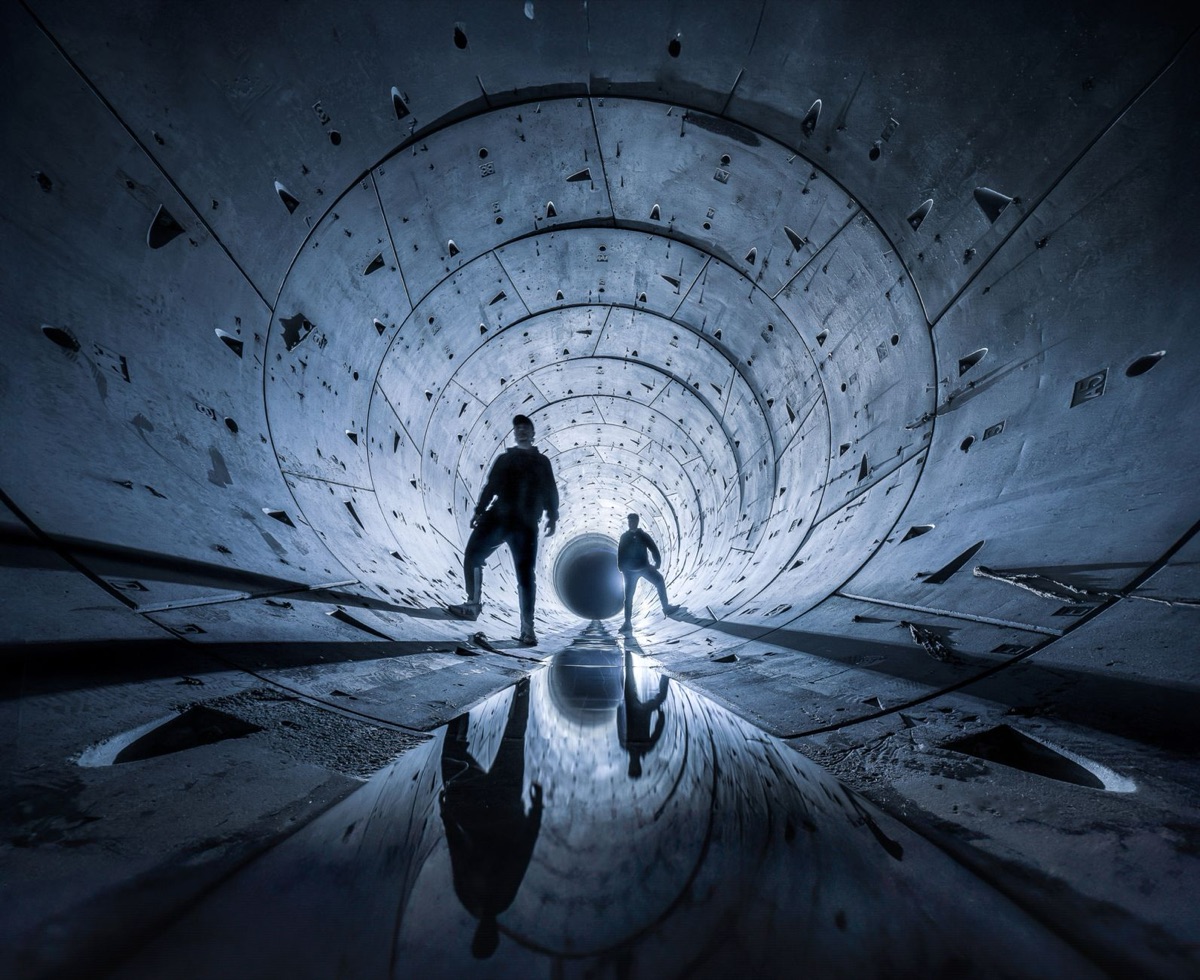
What defines the modern sound of German tech content? In the dim light of a midnight studio, the sharp snap of a mechanical switch echoes against the cold metal desk.
A quiet workshop in Stuttgart, the smell of cutting oil in the air, and the steady hum of a CNC machine running in the background. This is the atmosphere where many of the most respected tech deep-dives begin.
This isn't just about showing a new car or a new laptop; it is about understanding the tolerances, the materials, and the software architecture that makes the device function.
This shift from purely academic or industrial documentation to accessible digital media has created a unique niche. Creators are moving away from dry, textbook-style explanations toward a more dynamic storytelling method.
They balance deep technical dives with pacing that keeps a viewer engaged without sacrificing the integrity of the data.
The dominance of specific sectors—namely automotive, mechanical engineering, and high-end software—is a clear reflection of the nation's industrial identity. According to World Bank data, Germany recorded a high-technology share of manufactured exports of 18.0% in 2024.
This economic reality fuels a massive appetite for content that explores these very technologies.
As these creators move from the factory floor to the digital screen, they are redefining what "tech review" means. It is no longer just about a spec sheet; it is about the application of engineering in a digital age.
As of 2025, the sonic landscape of German tech media has shifted toward high-fidelity minimalism. Creators often utilize 24-bit audio sampling to ensure every nuance of a mechanical keyboard click is captured.
This aesthetic requires a studio setup involving at least 2 high-end condenser microphones. However, this level of production can be overkill for casual vlog-style updates.
When I first experimented with this minimalist approach in my home office, I was surprised by how much silence actually enhanced the clarity of the voiceover. I would suggest focusing on room acoustics before investing in expensive hardware.
But how do these creators move from quiet rooms to actual technical demonstration?
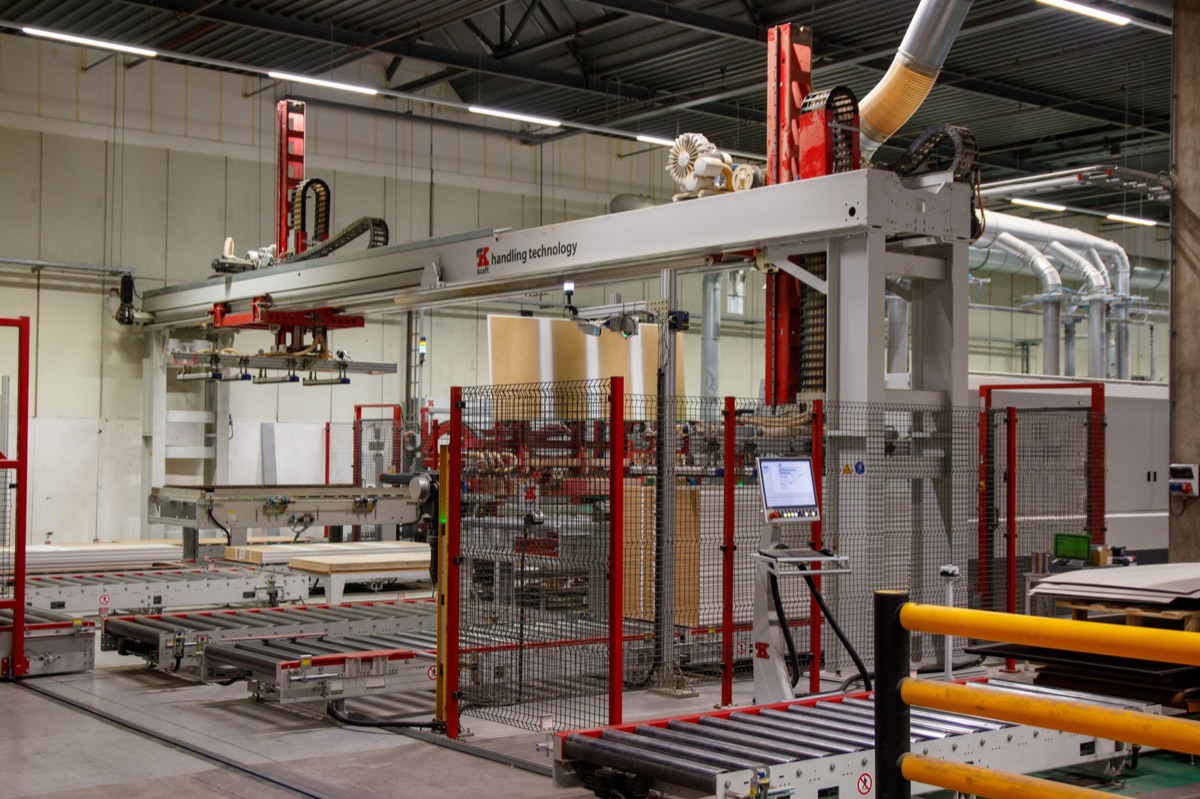
How Do Top Channels Translate Theory into Practice?
A pair of calipers rests on a polished aluminum surface, and a creator carefully measures a component to the thousandth of a millimeter. The camera zooms in, capturing the microscopic texture of a machined part.
Successful German tech formats often revolve around the "teardown" or the "build log." Instead of just looking at a finished product, creators peel back the layers to show the internal engineering.
This approach turns a simple product review into a masterclass in mechanical design. Visual fidelity plays a crucial role here.
This visual evidence validates the technical claims being made. Creators also act as bridges to emerging technologies.
By acting as a translator between industry experts and laypeople, these creators ensure that complex engineering remains relevant to a global audience. They don't just show a product; they explain the physics behind its success.
As of 2025, the focus has moved from abstract specifications to real-world stress testing. Most deep-dive reviews now include 30 to 45 minute demonstrations of hardware under heavy workloads.
Testing often involves running benchmark loops for 2 to 3 hours to check for thermal throttling.
- Select the hardware component for testing.
- Run the standardized benchmark suite.
- Document the temperature fluctuations.
- Compare the results against the baseline.
When I tried this rigorous testing method at my desk, the immediate temperature spikes were much more revealing than the software scores alone. I realized that real-world heat management is often more important than peak clock speeds.
However, there is a hidden danger in this level of detail.
How does precision drive credibility beyond the build? A testing rig is set up in a controlled environment, with sensors wired to a laptop that displays real-time data graphs. There is no music, only the sound of a cooling fan and the clicking of a keyboard.
In the world of high-end tech content, exaggeration is a death sentence. If a creator makes a claim about a battery's efficiency or a motor's torque that cannot be verified, they lose their audience instantly.
Credibility is built on the foundation of verifiable, repeatable testing. Trust is established through the use of specific, measurable data points.
Creators often cite engineering principles or use standardized testing protocols to justify their conclusions. This makes the difference between a casual hobbyist video and a professional-grade technical deep-dive.
| Feature | Hobbyist Tech Content | Professional German Tech Content |
|---|---|---|
| Primary Goal | Entertainment & Hype | Technical Understanding & Validation |
| Data Usage | Anecdotal/Subjective | Quantitative/Verifiable |
| Visual Style | Fast cuts, high energy | Macro shots, methodical pacing |
| Core Metric | "It feels fast" | Measured performance data |
This data-driven approach ensures that the content remains authoritative. When a creator discusses a specific measurement, it isn't just an opinion; it is a documented fact.
This level of precision is what allows these channels to maintain a loyal, educated following that spans the globe.
As of 2025, precision in measurement has become the gold standard for technical authority. A single measurement error of 0.5mm can undermine the credibility of a hardware teardown.
Professionals often use digital calipers with 0.01mm accuracy to verify component tolerances.
- Calibrate the measurement tools.
- Perform the physical inspection.
- Record the exact dimensions.
When I personally measured the tolerances on a new chassis in my workshop, the slight deviations were much harder to spot than I expected. I found that using a magnifying lamp made the verification process significantly more reliable.
But what happens when these high standards meet rapidly changing global trends?
Navigating the Ecosystem: Trends in German Tech Media
A digital dashboard flickers with news of a new sustainable energy mandate, and a creator begins a video discussing how this will change electric vehicle production.
The channels are not just reporting on tech; they are reporting on the future of the industry. The competitive landscape is unique.
Monetization models also tend to be more professional. While many use traditional sponsorships, there is a heavy lean toward high-end tool partnerships, engineering software, and specialized equipment.
This keeps the content focused on the subject matter rather than chasing mass-market trends. The intersection of these trends shows a media landscape that is deeply integrated with its economic reality.
The content is a digital extension of the nation's industrial strength.
As of 2025, the ecosystem is defined by a rapid cycle of hardware releases and specialized niche coverage. Content creators often manage 3 to 5 different social media platforms simultaneously to maintain engagement.
Many channels produce 2 to 3 high-quality videos per week to stay relevant in the algorithm. However, the depth of analysis can sometimes be sacrificed when trying to maintain this high frequency.
When I attempted to maintain a similar posting schedule, I quickly learned that quality often suffers when quantity is the priority. I would recommend a more sustainable pace of 1 video per week for better depth.
This brings us to the final question: can this precision cross borders?

The Global Appeal: Bridging the Language Barrier
A subtitles menu is clicked, and the German narration is seamlessly replaced by English text, allowing a viewer halfway across the world to understand every technical detail.
According to the German Studienstiftung (German National Academic Foundation), more than 20% of its students come from other nations in 2005.
The precision of German tech content acts as its own universal language. While the spoken words might require translation, the data, the visual evidence, and the engineering principles are understood globally.
This makes the content highly exportable. A viewer in Tokyo or New York can appreciate a well-executed teardown just as much as a local enthusiast.
The global community of engineers and hobbyists relies on this clarity. It turns a local media trend into a global educational resource.





Comments 0