Why is German convenience food suddenly exploding?
"The modern consumer often looks for speed and accessibility, finding solutions in the aisles of local shops that remain open when traditional markets close."
The popularity of convenience food stems from the accessibility of retail outlets that offer extended hours and strategic locations. This analysis explores why such food becomes a staple, looking at operational models, sales compositions, and global density patterns.
Key takeaways include the importance of 24-hour availability, the impact of product mix on revenue, and how density affects consumer habits.
Why German convenience food?
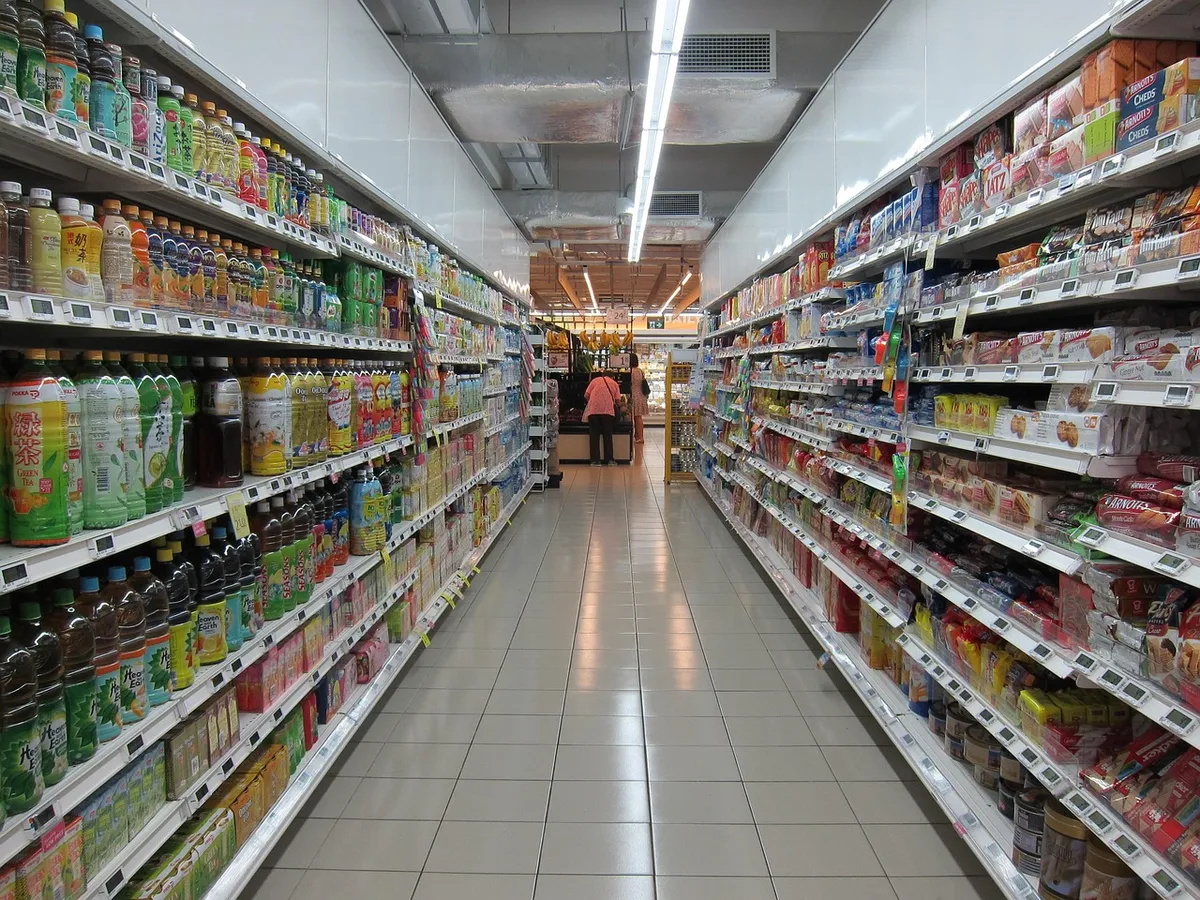
At midnight, I grip a cold bottle while wandering through the aisles of a shop to find some german convenience food.
A customer walks into a brightly lit store late at night, searching for a quick meal. The immediate availability of goods is a primary driver for the rise of this sector.
The rise of quick-service retail is often driven by the necessity of long shopping hours. In some countries, convenience stores have long shopping hours and some remain open 24 hours. This constant availability ensures that consumers can meet their needs regardless of the time of day.
The German convenience food trend relies heavily on these operational windows to capture shifting consumer schedules. While specific food trends vary, the underlying infrastructure of accessibility remains a constant.
Understanding the structural reasons for this popularity requires looking at how these stores function globally.
Why is German convenience food suddenly exploding?
At midnight, I grab a warm snack from the shelf while wandering through the bright aisles to find some german convenience food. A shopper grabs a snack while walking through a busy city center during a lunch break. The ease of access defines the relationship between the consumer and the retailer.
The popularity of German snacks is often linked to the logistical ease provided by high-density retail environments. In some regions, the sheer number of locations makes these stores an integral part of daily life.
For example, Taiwan has more than 10,000 convenience stores in an area of 35,980 km2 with a population of 23 million.
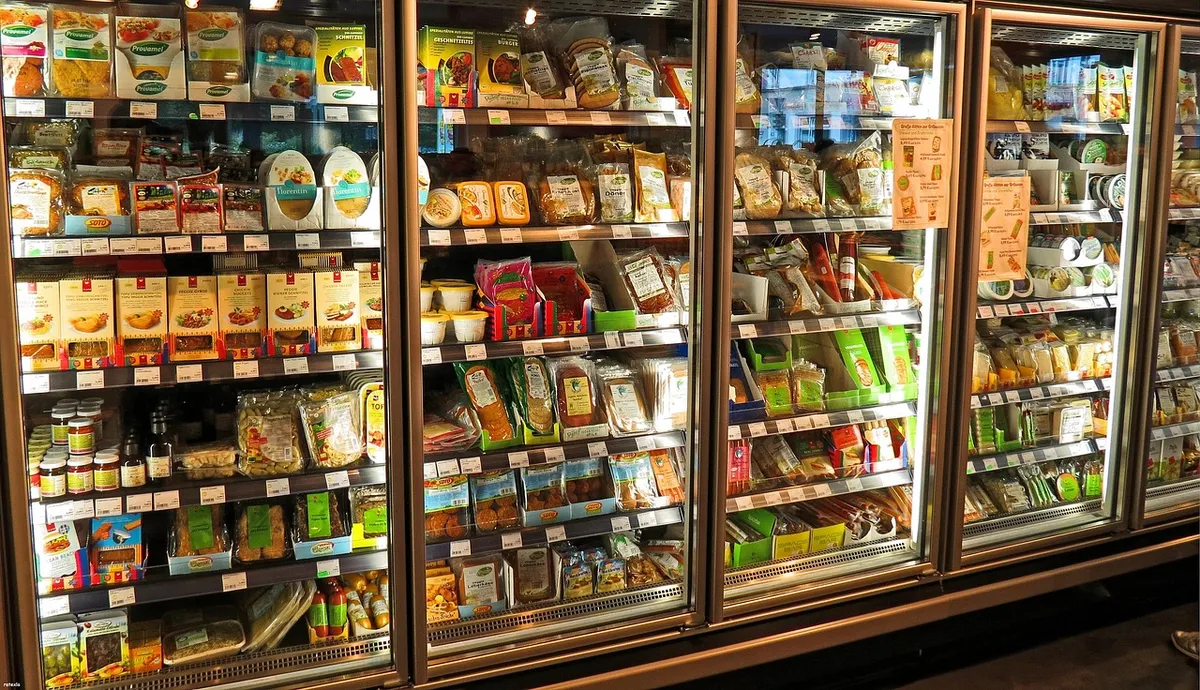
Such high density creates a habit-forming environment where food is always within reach. This accessibility serves as a foundation for the German convenience food rise in various urban landscapes. The ability to find products instantly is a significant factor in consumer preference.
According to World Bank, the 2024 record includes 47.4%.
How does product mix affect sales?
A clerk organizes shelves, ensuring that high-demand items are placed in prime locations to maximize turnover. The balance of goods within the store determines the overall profitability.
The secret of German convenience is often found in the specific mix of goods sold within the limited space. In many North American jurisdictions, tobacco products comprise the greatest portion of gross sales at convenience stores, between 25 percent and 35 percent.
This shows how specific categories can dominate revenue.
Space management is also a critical regulatory factor for certain types of outlets. A convenience store with a cafeteria license is only allowed to sell a maximum 10% of its service space for non-food/beverages product.
This restriction forces a focus on food and drink, which is essential for those seeking quick meals.
How does retail density vary around the world? A traveler compares the streetscapes of different countries, noting the frequency of retail signage. The density of stores per person is a measurable metric of market saturation.
Analyzing German food trends through a global lens reveals how different markets prioritize retail presence. Comparing different regions shows that density varies wildly based on population and urban planning.
In Taiwan, the density is one of the highest in the world, with one store per 2,065 people.

The following table compares two specific data points regarding store availability and density:
| Metric | Value |
|---|---|
| Taiwan Store Density | 1 store per 2,065 people |
| Taiwan Total Stores | More than 10,000 |
I find that observing these ratios helps clarify why certain markets feel more saturated than others. This comparison highlights how proximity influences the popularity of quick-service food.
What are the operational requirements?
A manager checks the security cameras and prepares the staff for a shift change. Maintaining a safe and functional environment is essential for continuous operation.
Successful retail models often rely on being available when competitors are closed. Many are open 24 hours a day, seven days a week. This level of service is a hallmark of the convenience sector.
To maintain these operations, certain standards must be met: 1. Establish consistent operating hours to meet consumer demand. 2. Implement security measures to protect staff and inventory. 3. Manage space allocation according to local licensing laws.
A final check of the inventory ensures that the most popular items are always in stock for the next customer. For instance, 7-Eleven shops are open 24 hours a day, seven days a week, including Sundays and public holidays. Such reliability builds consumer trust.
Is there a limitation to this growth?
A store owner looks at the rising costs of urban real estate and the challenges of managing a 24-hour staff. External factors can limit the expansion of the convenience model. According to data from the World Bank, Germany recorded an agricultural land share of 47.4% in 2024.
The growth of the convenience sector is not without its challenges. Security and crime can impact the viability of 24-hour operations. In response to the increase in the number of thefts, 7-Eleven stepped up security measures, which successfully lowered the crime rate by 60%.
One limitation to the expansion of these stores is the physical constraint of the retail space itself.
This prevents the model from becoming a general retail outlet.
- Why German convenience food?
- Why is German convenience food suddenly exploding?
- How does product mix affect sales?
The subject here is Why German convenience food?.
The same subject is also called Why German snacks are popular.
This part also covers German snack popularity reasons.
Analyzing German food trends
Related



Comments 0