German farm pet bonding guide for rural tranquility
"The rhythm of the countryside is not found in the ticking of a clock, but in the soft breathing of animals resting in the hay."
German farm pet bonding offers a unique way to experience the tranquility of rural life through meaningful connections with animals. This guide explores how living with farm pets in Germany provides emotional stability and a sense of peace.
You will learn about the lifestyle of these animals, how to engage with them, and the environmental context of German agriculture.
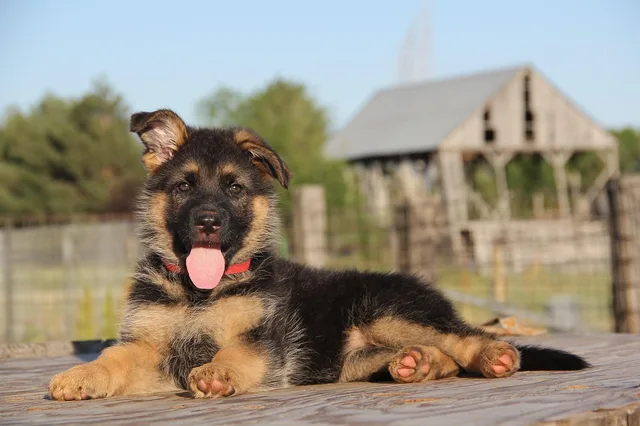
* The deep emotional connection between humans and farm animals. * The role of animals in the daily rhythm of German rural life. * The vast landscape where these interactions take place.
How does German farm pet bonding work?
A hand reaches out to stroke the coarse fur of a goat as the morning sun hits the barn floor. This gentle interaction is the core of the healing farm pet life in Germany, where animals are treated as companions rather than just livestock.
This connection fosters a sense of calm and presence in a fast-paced world.
The bond is built through consistent, daily presence and respectful observation. Engaging with these animals requires patience and a quiet demeanor to earn their trust. This peaceful pet bonding allows individuals to step away from digital noise and reconnect with natural rhythms.
Living with farm pets in Germany often means integrating animal care into a holistic lifestyle. The interaction is not just about feeding; it is about understanding the non-verbal cues of a creature that shares your space.
This lifestyle provides a grounding effect for those seeking a slower pace of life.
However, this bonding process may be less effective if the animal has a history of trauma.
What is it like to have a pet in rural Germany?
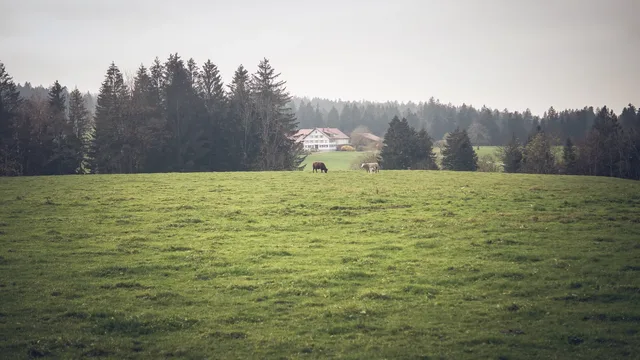
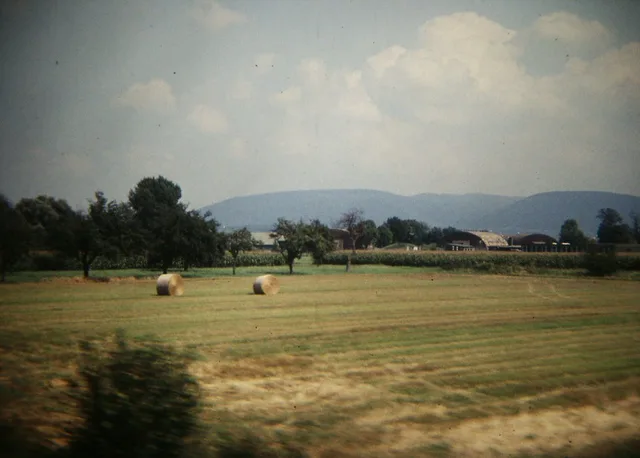
A wide field of green stretches toward the horizon under a clear, bright sky. The setting for rural pet life Germany is defined by vast, open spaces that allow animals to roam and breathe. These landscapes provide the necessary freedom for both pets and their human companions.
The scale of the German countryside is significant. According to World Bank data, Germany recorded agricultural land share of 47.4% in 2024. This extensive land use provides the backdrop for the diverse animal lives found in these regions.
The environment shapes the way people interact with their animals. Large pastures and quiet meadows create a sanctuary for both species. This setting is essential for maintaining the health and happiness of the animals involved in these connections.
This environment is not suitable for pets that require strictly urban or indoor settings.
According to World Bank, the 2021 record includes 17.6%.
How can I connect with farm animals?
A person walks slowly toward a wooden gate, holding a small handful of grain. To establish a genuine farm animal connection, one must follow a deliberate process of building trust and understanding.
- Observe the animal's natural behavior from a distance to understand its temperament and boundaries. 2. Approach slowly using calm, low-toned movements to avoid startling the creature. 3. Offer a consistent routine, such as feeding or grooming at the same time each day, to build predictability.
After completing these steps, I checked the animal's reaction to my presence to ensure the bond was progressing naturally. A final check involves ensuring the animal feels safe and relaxed in your immediate vicinity.
- Approach the animal slowly.
- Offer a familiar scent.
- Establish physical contact.
How does German dog farm life differ?
A dog runs through the tall grass, its ears flopping as it chases a rolling ball. German dog farm life often involves a working partnership where the animal is both a companion and a functional member of the household.
The role of a dog on a farm is multifaceted. They provide security, assist with herding, and offer constant companionship during long hours of outdoor work. This dual role strengthens the emotional tie between the owner and the pet.
While many pets are kept purely for leisure, the German tradition often emphasizes a purposeful coexistence. This sense of shared duty creates a unique dynamic that is different from purely urban pet ownership.
I find that the second step in this process is the most time-consuming.
What defines the German countryside pets experience?
The scent of damp earth and fresh hay fills the air as a donkey nudges a shoulder. The experience of German countryside pets is rooted in the sensory details of the landscape and the seasonal changes that dictate their lives.
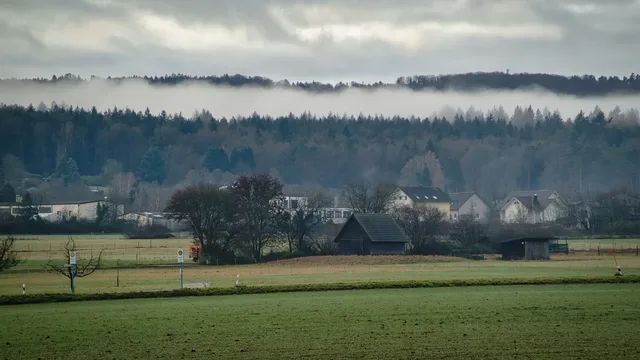
The lifestyle is deeply connected to the land. Whether it is the warmth of a stable in winter or the shade of an oak tree in summer, the animals' lives are lived in harmony with the elements. This connection to nature is a hallmark of the experience.
The presence of animals changes the atmosphere of a home or farm. Their predictable needs and steady presence create a structured, calming environment for the humans living alongside them.
This lifestyle does not apply to pets with extreme sensory sensitivities.
What precautions should be taken during animal interaction?
Safety during interaction requires a cautious approach to avoid startling the animals. One must always observe the animal's boundaries to prevent unexpected reactions. This caution is necessary when approaching a creature that shares your space to ensure the bond remains peaceful.
If an animal shows signs of discomfort, you should maintain a respectful distance. This condition ensures the animal feels safe and relaxed in your immediate vicinity. Following these precautions helps maintain the calm rhythm of the countryside during your engagement.
These precautions are not sufficient in cases of extreme animal aggression.
How does the landscape affect animal health?
The vast, open spaces of the German countryside provide the necessary freedom for animals to roam. These large pastures and quiet meadows act as a sanctuary, which is essential for maintaining the health and happiness of the animals.
The scale of the land allows for the diverse animal lives found in these regions to thrive.
Large fields and meadows offer a different condition for pet life compared to urban settings. The availability of extensive agricultural land supports the physical well-being of the animals. This environment is a key factor in the successful coexistence of pets and their human companions.





Comments 0