93.5% Connectivity: Germany's Role in Creator Success Story
"Building something from nothing is not just a hobby; it is a blueprint for digital authority."
Successful creators don't just upload videos; they build tangible legacies that bridge the gap between digital screens and physical reality.
Key Takeaways * The transition from casual hobbyist to professional producer requires moving from digital files to physical workshops and teams. * Large-scale, goal-oriented projects create long-term narrative arcs that sustain audience interest far longer than daily vlogs.
* Early community support acts as the essential bridge to scaling production capacity.
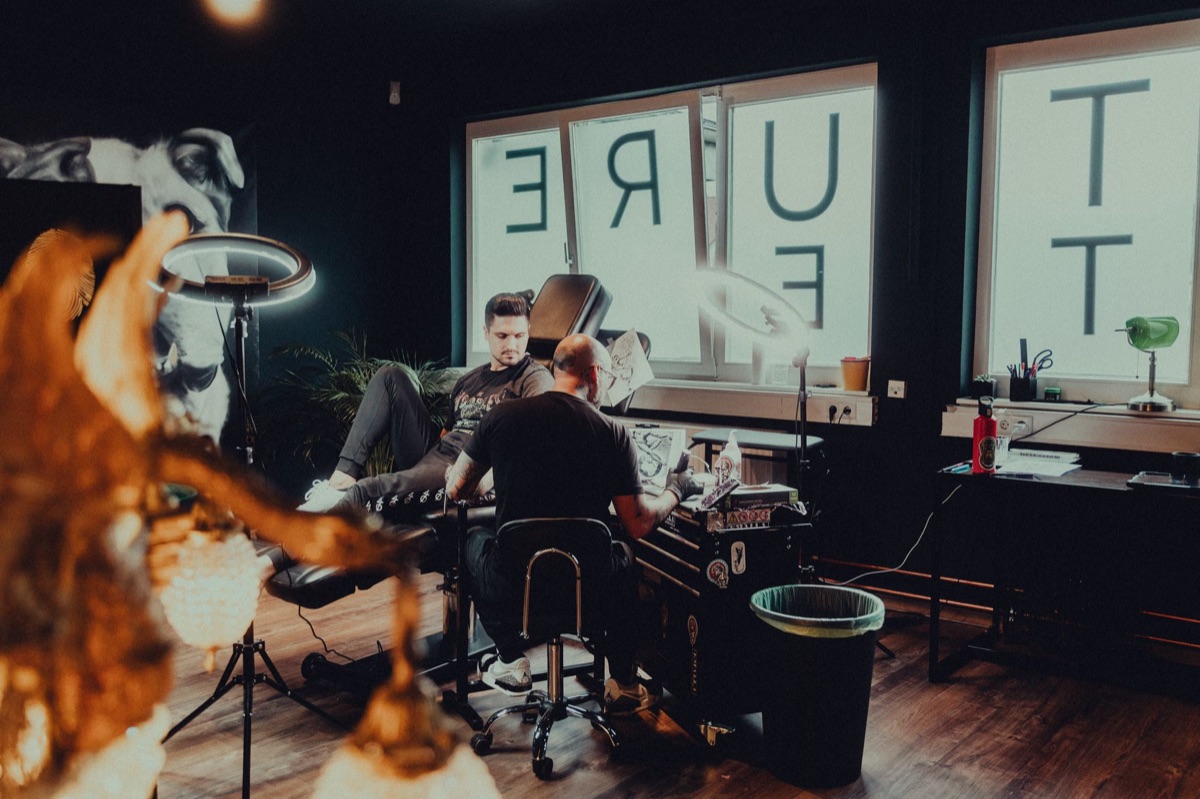
What makes a modern German creator channel successful? In a quiet workshop near Cologne, the sharp scent of sawdust fills the air as a hand grips a heavy hand-tool.
A quiet workshop in the Oberbergischer Kreis district, near Cologne, hums with the sound of saws and drills. The air smells of sawdust and fresh coffee, a sharp contrast to the digital world where these sounds are first heard.
This is where a hobbyist's passion transforms into a professional enterprise.
In the German digital landscape, high connectivity provides a fertile ground for niche creators. According to World Bank data, Germany recorded a share of internet users of 93.5% in 2024.
This high level of connectivity allows specialized creators to find global audiences looking for high-quality, technical, or craft-based content.
Early in her journey, Laura Kampf operated on a much smaller scale, focusing on the raw joy of making things. Her growth mirrors a common trajectory for successful German creators: moving from a single person with a camera to a structured production entity.
This transition is not just about more views; it is about moving from a bedroom setup to a dedicated space where complex ideas can become reality.
But how do these creators actually sustain such massive, expensive projects over long periods?

How powerful can a signature production project be? A blueprint lies spread across a wooden table, weighted down by heavy metal tools. The sun shifts across the workshop floor, marking the passage of hours spent on a single, ambitious goal. This is the reality of high-stakes content creation.
Successful creators often anchor their growth around a "signature project"—a massive, multi-part endeavor that acts as a North Star for their channel. For example, a creator might commit to a project like building a tiny house under strict constraints.
In one specific video, the challenge was "Building a Tiny House in 12 weeks under 10,000?" This type of goal-oriented content creates a natural tension that keeps viewers coming back to see if the creator succeeds or fails.
These projects require immense physical and temporal resources. It is not just about filming; it is about the engineering, the logistics, and the sheer grit required to finish a build. This level of execution differentiates a "YouTuber" from a "maker." It turns a video into a documented achievement.
Early on, these ambitious projects often rely on community-backed funding to bridge the gap between vision and reality. In 2017, for instance, a creator might have received about 1,670 euros (or 2,000 US dollars) per month from 600 Patreon donors to keep their workshop running.
This early-stage patronage provides the capital necessary to invest in tools and materials that a standard ad-revenue model might not cover.
However, as these projects grow, a single person often hits a wall.
Why Does Scaling Up Become Necessary?
A second pair of hands reaches in to steady a heavy beam. A colleague laughs at a mistake, then quickly corrects it, capturing the collaborative spirit of a working studio. This is where the solo creator meets the reality of a professional team.
As projects grow in complexity, the "solo creator" model eventually hits a ceiling. To sustain high-level content, creators must scale their human capital. This often means moving from a single person to a small, dedicated production team.
By 2023, Kampf's content grew to a production studio with two employees, based at a workshop in Oberbergischer Kreis, near Cologne, on a site with former factories.
This scaling is essential for two reasons: 1. Technical Capacity: Complex builds require specialized skills that one person cannot always provide. 2. Production Consistency: A team allows for the high-quality filming and editing required to match the high-quality subject matter.
Beyond the internal team, collaboration with other creators acts as a massive growth lever. When creators with different skill sets work together, they cross-pollinate their audiences. A builder collaborating with a tech reviewer or a designer creates a "spectacle" that neither could achieve alone.
This community-driven growth turns a single channel into part of a larger, interconnected ecosystem. But how do you know when you have actually succeeded?

Measuring Success: From Passion Project to Professional Enterprise
A bank account balance is checked on a laptop, then a glance is cast toward a new, expensive piece of machinery. The numbers on the screen are merely a means to an end: the ability to build something even bigger.
Success in this field is often measured by the ability to turn a passion into a sustainable business. Early indicators might be modest, such as reaching a few hundred monthly donors on a platform like Patreon. However, these milestones are the foundation for much larger operational shifts.
| Phase | Typical Scale | Primary Focus |
|---|---|---|
| Hobbyist | Single person, home setup | Experimentation & Niche Discovery |
| Growth | Small team, dedicated workshop | Signature Projects & Community Building |
| Enterprise | Full production studio, multiple staff | Large-scale builds & Global Brand Authority |
The transition from a hobbyist to an enterprise-level creator is marked by the shift from "making videos about things" to "building things to make videos." The former is a content strategy; the latter is a business model.
When I first looked into this kind of production, I thought it was just about having a better camera. I quickly realized that a high-end lens doesn't matter if you don't have the structural engineering to back up your subject matter.
To move from a hobby to a business, creators often follow a specific progression.
The Roadmap to Professional Production
- Identify a Niche: Find a specific craft or technical subject where high-quality execution is rare.
- Execute a Pilot Project: Complete one high-stakes, tangible build to establish authority and proof of concept.
- Build a Community Foundation: Use platforms like Patreon to secure monthly recurring revenue to cover workshop overhead.
- Scale Infrastructure: Reinvest profits into a dedicated workshop space and specialized tools.
- Expand the Team: Hire editors or technical assistants to free up time for more complex builds.






Comments 0