Wildtiere Guide 3,000 km Alpen mountains best tips
"To protect these lands for generations to come, we must manage them as one single, interconnected biogeographical entity."
Exploring the Australian Alps requires an understanding of how vast mountain ranges and diverse habitats function as a unified ecosystem.
This guide is for nature enthusiasts seeking to observe wildlife behavior in the Great Dividing Range, providing insights into management strategies and habitat connectivity.
You will learn about the strategic planning used to protect these regions, the geographical scope of the mountains, and how to approach wildlife observation responsibly. Please note that observations are limited to the specific biogeographical entities managed under current conservation frameworks.
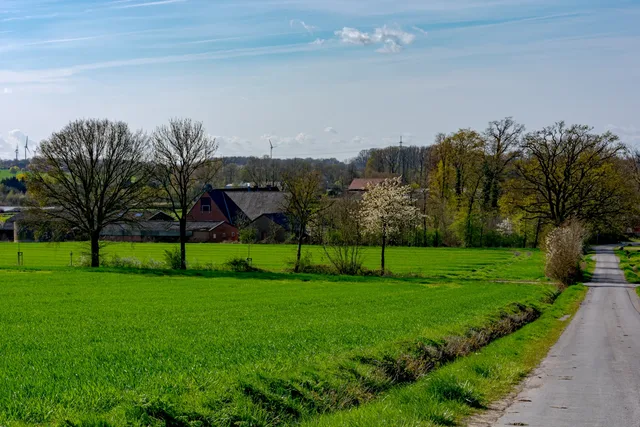
* The vast scale of the Great Dividing Range. * * The importance of treating the region as one entity. * Strategic planning for 2026-29.
Where can I find the Great Dividing Range?
At sunset, I trek across the high ridge of the Great Dividing Range while feeling the cold wind bite at my skin as I search for wildtiere. A hiker stands on a high ridge, feeling the cool wind sweep across the vast tablelands as the sun begins to dip below the horizon. This expansive landscape is part of the Great Dividing Range, which stretches approximately 3,000 km (1,900 mi) across the continent.
The range runs from northern Queensland, through New South Wales, and into the northern part of Victoria.
Understanding the geography is essential for any Alpen wildtiere beobachten attempt. The sheer length of these mountain and hill ranges creates a variety of microclimates that support different species.
Because the range is so long, the environmental conditions change significantly as you move from the northern reaches into Victoria.
The scale of the terrain dictates how wildlife moves and how humans interact with the land. When planning a trip, knowing whether you are in the northern or southern section of the range helps set expectations for the types of habitats you will encounter.
This geographical context provides the foundation for all local nature exploration.
However, its exact boundaries can vary depending on whether one defines the range by its highest peaks or its continuous drainage divide.
How is the Alpine ecosystem managed? Alpen wildtiere beobachten
A conservation officer reviews a thick binder of maps and policy documents in a quiet office, marking boundaries that cross state lines. Management in this region relies on intense cooperation between different jurisdictions to ensure the environment remains stable.
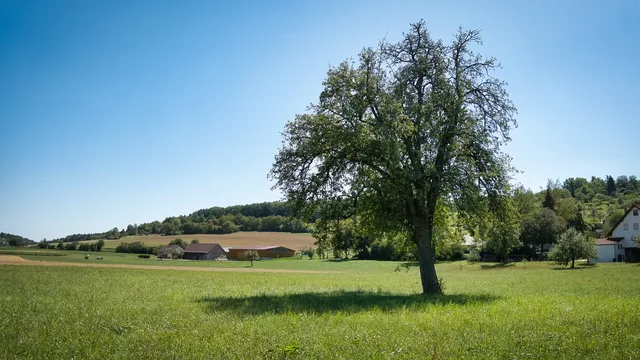
According to the Australian Alps National Parks, the Alps Strategic Plan 2026-29 was endorsed by the Australian Alps Liaison Committee at its meeting in September 2026.
This approach prevents fragmented management, which could harm migratory species or water quality.
By working together, the committee aims to protect these precious areas for future generations.
This unified management style is a core part of the Alpen Ökosystem Studie approach used by local authorities. Instead of treating each park as an island, the AALC looks at the landscape as a whole. This ensures that conservation efforts in New South Wales complement those in Victoria.
However, management efforts may be less effective during extreme weather events that bypass standard conservation protocols.
How can I best observe wildlife behavior?
An observer sits motionless behind a pair of binoculars, watching a small creature navigate the rocky terrain of the high country. To engage in successful German Alps Tierwelt observation, one must respect the natural rhythms of the animals.
Successful wildlife observation requires patience, silence, and a deep respect for the animals' space.
If you want to master the art of Alpen Tierarten Guide techniques, follow these steps:
- Identify the specific habitat type, such as tablelands or steep mountain slopes, to predict where certain species might dwell. 2. Maintain a significant distance to avoid triggering a flight response, which can disrupt natural feeding or mating behaviors. 3. Use quiet, non-intrusive movements to blend into the surroundings without causing alarm.
After completing these steps, perform a final check to ensure you have left no trace of your presence, such as litter or disturbed vegetation. I found that sitting still for long periods allowed me to see much more than if I had been constantly moving through the brush.
This method of observation respects the delicate balance of the local environment.
- Choose a high vantage point to maintain a safe distance.
- Use binoculars or a telephoto lens to minimize disturbance.
- Remain quiet and still to avoid startling the animals.
How does the landscape support diverse species?
A botanist kneels in the damp soil of a mountain valley, noting the specific plants that grow near a seasonal stream. The diversity of the Great Dividing Range is a direct result of its varied topography.
The combination of mountains, hills, and tablelands creates a complex web of Lebensräume Alpen that cater to many different organisms.
The connectivity of these habitats is vital for the survival of many species. When habitats are linked, animals can migrate in response to seasonal changes or resource availability. This movement is why managing the region as a single entity is so critical for long-term ecological health.
| Feature | Scale/Scope |
|---|---|
| Great Dividing Range Length | 3,000 km (1,900 mi) |
| Strategic Plan Period | 2026-29 |
Observing these connections helps enthusiasts understand the broader implications of land management. The way a single mountain range can influence weather, water, and life across thousands of kilometers is truly profound.
However, the benefits of this habitat diversity are limited in areas where human development has fragmented the terrain.
What are the challenges of nature exploration in the Alps?
A researcher walks through a dense thicket, carefully navigating around fallen logs and uneven ground. While the beauty of the region is undeniable, the terrain presents real challenges for anyone attempting Naturerkundung Alpen.
The ruggedness of the Great Dividing Range requires proper preparation and physical stamina.
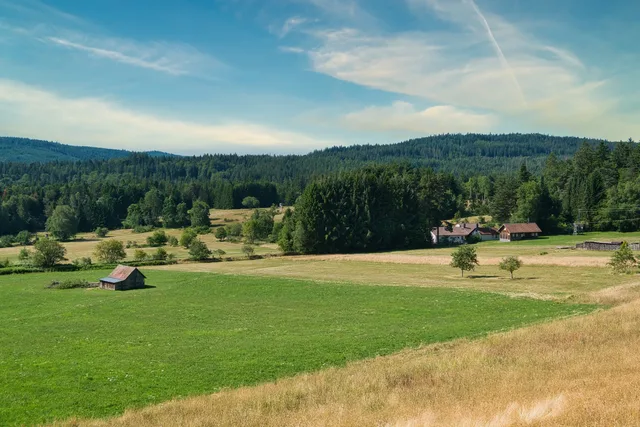
The primary difficulty lies in the vastness of the area and the unpredictable nature of mountain weather. Because the range spans from Queensland to Victoria, the environmental conditions can vary wildly. This makes it difficult to predict exactly what a visitor might encounter on a specific trail.
Furthermore, the need for coordinated management means that access to certain areas may be restricted to protect sensitive biogeographical zones. Travelers must stay informed about current strategic plans and local regulations.
This ensures that their presence does not interfere with the ongoing efforts to protect the region.
However, these navigation strategies are less reliable during heavy fog or sudden whiteout conditions.
The same subject is also called Deutsche Alpen Tierwelt.
The same subject is also called Wildtierverhalten Alpen.
This part also covers Tierbeobachtung Tipps.
Alpen Tierarten Guide
Related




Comments 0