German strength training guide for muscle building
This German strength training guide provides a structured method for building muscle through efficient, disciplined movement patterns. It is designed for individuals seeking a systematic approach to physical conditioning without requiring a massive gym setup. You will learn how to implement core movements, follow a structured progression, and understand the limitations of home-based training. 1. Focus on fundamental, high-efficiency movements. 2. Follow a disciplined, repetitive structure. 3. Progress through specific, measurable stages.
How to start your German strength training guide?
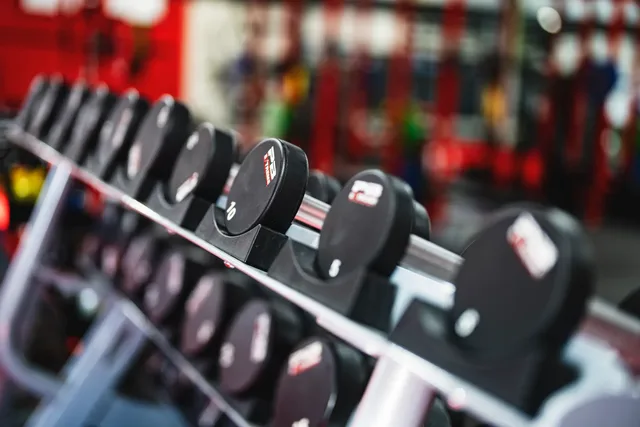
You stand in your living room, rolling out a thin mat as the morning light hits the floor. You take a deep breath, centering your focus on the specific movements ahead. This German strength training guide begins with establishing a foundation of bodyweight control and rhythmic breathing.
According to World Bank data, Germany recorded an unemployment rate of 3.7% in 2025.
Effective training begins by mastering the mechanics of efficient German exercises such as squats, lunges, and push-ups. Instead of rushing through high-intensity bursts, the focus is on controlled, deliberate repetitions that build structural integrity.
I found that slowing down the descent of a squat changed my entire perception of muscle engagement.
To begin, you must select a consistent time of day to ensure the habit sticks. You should clear a small space in your home, ensuring you have enough room to extend your arms fully. Once the space is ready, you can move into the primary movement patterns.
What makes a German fitness routine work?
You grip a heavy water bottle or a weighted bag, feeling the tension in your forearms. The room is quiet, save for the sound of your steady breathing as you prepare for the next set. A German fitness routine emphasizes the quality of each movement over the sheer quantity of weight used.
This method relies on the principle of tension and time under load. By performing movements with a specific tempo, you maximize the stimulus provided to the muscle fibers. This approach ensures that even without heavy gym equipment, the body receives a significant challenge.
The routine is built around compound movements that engage multiple muscle groups simultaneously. This efficiency is key for those who want to see results without spending hours in a training session. Every rep is treated as a technical exercise rather than a chore.
According to World Bank, the 2025 record includes 3.7%.
How can I use German muscle building techniques?
You watch the clock on your wall, noting the exact second a set begins. The discipline of the timing is what separates a casual workout from a structured training session. Implementing German muscle building techniques requires a strict adherence to your programmed sets and rest intervals.
To apply these techniques effectively, follow these three steps:
- Select three primary compound movements that target the legs, chest, and back. 2. Execute each movement using a controlled tempo, specifically a three-second eccentric (lowering) phase. 3. Perform three to four sets of each movement, resting exactly sixty seconds between sets.
After completing the sets, perform a final check by assessing your form in a mirror or recording a quick video. This ensures that fatigue has not caused your technique to degrade during the final repetitions.
Can I do a German workout at home?
You move through a series of lunges across your wooden floor, feeling the burn in your quadriceps. The familiarity of your own space allows for a deep focus on the physical sensations of the exercise. A German home workout is highly effective when you utilize household objects to add resistance.
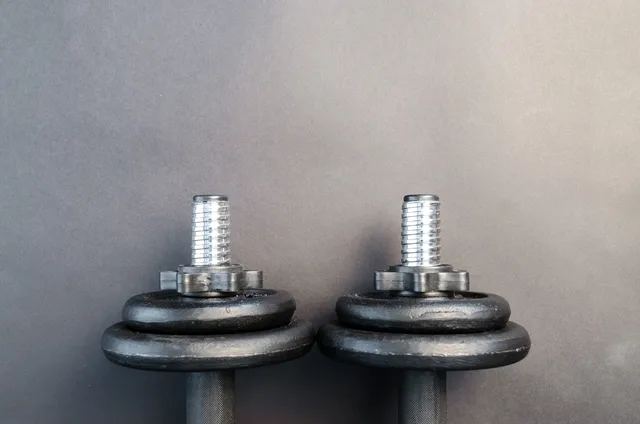
Using items like a backpack filled with books or heavy containers can provide the necessary load to continue progressing. This adaptability makes the method accessible to anyone regardless of their access to a professional facility.
I often use a weighted vest during my evening sessions to increase the difficulty.
| Exercise Type | Primary Focus |
|---|---|
| Bodyweight Compound | Stability and Form |
| Weighted Resistance | Muscle Hypertrophy |
The goal is to maintain the same level of intensity as you would in a gym. By focusing on the tension of the muscle, you can turn any small corner of your home into a training zone.
What makes the German strength method unique?
You sit on the floor after your session, feeling the warmth in your muscles as you cool down. The sense of accomplishment comes from the order and structure you followed.
The German strength method is characterized by its lack of unnecessary complexity and its focus on proven, foundational movements.
Unlike many modern trends that prioritize flashy, isolated exercises, this method sticks to what works. It prioritizes neurological adaptation and structural strength, which provides a safer long-term path for fitness. The emphasis is on building a body that is functional and resilient.
This method is particularly useful for those who prefer a logical, step-by-step progression. You are not guessing what to do next; you are simply executing the next level of the established pattern. This clarity reduces mental fatigue and keeps the focus on the physical work.
Is there a specific German workout for home use?
You reach for your water bottle, wiping sweat from your forehead as you finish your final stretch. The living room is now a place of recovery rather than exertion. A German workout for home use is optimized for space efficiency and minimal equipment.
The primary limitation of this approach is the difficulty in providing extreme progressive overload once bodyweight exercises become too easy. Without access to heavy iron plates, you must rely heavily on increasing volume or decreasing rest periods to continue seeing progress.
This condition applies specifically to advanced trainees seeking maximal strength gains.
The German strength training guide is a disciplined approach to building muscle through controlled, compound movements and structured progression.
While it is highly effective for home use and building functional strength, its progress may be limited by the lack of heavy external weights for advanced strength requirements.




Comments 0