Which products work best for newborn skin?
"Safety is not an accident; it is the result of intentional decisions made long before the journey begins."
A safe baby powder guide focuses on identifying ingredients that minimize respiratory and skin irritation for developing infants. This guide is intended for parents seeking to compare safety standards and efficacy for newborn skin care.
You should prioritize products that avoid fine particulates, consider the age of your infant, and understand that certain products are specifically designed for infants with special medical needs.
How do I choose a safe baby powder?
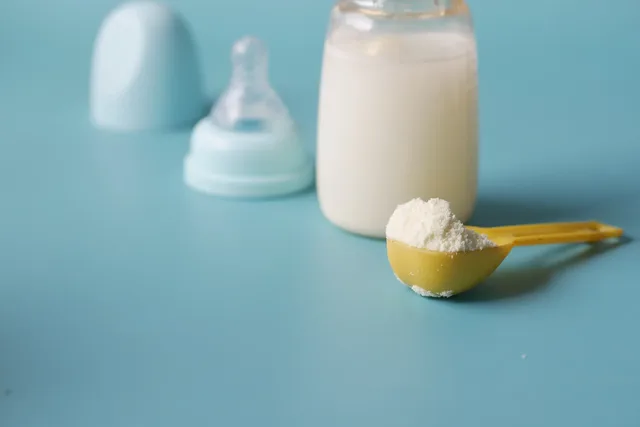
A parent carefully opens a new container to check the label for fine mineral dust. This search for safety is a vital part of a safe baby powder guide because the composition of the product dictates how it interacts with sensitive infant skin.
Selecting the right product requires evaluating the ingredients and the intended age of the child. For very young infants, choosing a product that avoids hazardous particulates is essential for long-term wellness. You must also look for specific indicators if your child has medical sensitivities.
This approach ensures that the efficacy baby powder choice remains focused on skin comfort rather than potential irritation.
What are the safety standards for infant skin care? Safe baby powder guide
A mother wipes a soft cloth across a baby's leg to test for residue. Understanding the efficacy baby powder choice involves knowing which regulations govern these products.
The primary goal is to find a product that does not pose a risk when inhaled. While many parents look for organic labels, the physical consistency of the powder is equally important for preventing respiratory issues. An infant skin powder guide should emphasize looking for non-aerosolized forms.
This ensures that the powder stays on the skin rather than becoming airborne during application.
Which products work best for newborn skin?
A nursery room stays quiet as a caregiver gently applies a light layer of cornstarch-based powder. Choosing baby powder right involves matching the product to the specific developmental stage of the child.
For newborns, the skin is significantly more permeable and sensitive than adult skin. You should look for products that are specifically formulated for the birth to 15-month age range. While some products are suitable for general use, others are designed for infants who cannot sit upright.

This distinction is critical when managing skin dryness or preventing diaper rash in the early months of life.
How do I apply powder without causing irritation?
A caregiver holds the container away from the baby's face to prevent a cloud of dust. Following a specific application method prevents the product from entering the child's airways.
- Apply the powder to your own hands first to ensure an even distribution. 2. Gently pat the product onto the skin rather than shaking it directly onto the child. 3. Verify that the skin is completely dry before the next diaper change.
I found that applying the product to my hands first prevented any accidental inhalation during the process. This method ensures the powder stays where it is needed most.
When should I avoid using baby powder?
A doctor explains the limitations of topical powders during a routine wellness check. There are specific medical conditions where powder use is not established as safe.
The use of certain powders is not appropriate for infants who cannot sit in a regular baby seat due to medical conditions. This includes premature infants or those who suffer from apnea. In these specific medical scenarios, carrycots or infant car beds are recommended instead of standard seating.
This limitation ensures that the child's breathing and physical positioning are managed by medical necessity rather than topical products.
Can I compare different types of powders?
A shopper compares two different brands on a supermarket shelf to see the weight and ingredients. Comparing products helps determine which is the best baby powder safety option for your household.
| Product Type | Primary Benefit |
|---|---|
| Mineral-based | Minimizes inhalation risk |
| Cornstarch-based | Natural skin absorption |
| Product Type | Best Use Case |
|---|---|
| Aerosol-free | Newborn skin sensitivity |
| Liquid/Lotion | High-moisture environments |

Choosing baby powder right involves weighing the benefits of different textures against your child's specific skin needs. This comparison allows you to select a product that provides the necessary protection without unnecessary risks.
- How do I choose a safe baby powder?
- What are the safety standards for infant skin care?
- Which products work best for newborn skin?
This part also covers Hypoallergenic powder review.
This part also covers Dairy free baby powder.
This part also covers Pediatric skin care tips.
Hypoallergenic powder review
Related




Comments 0