German tech content balance: High-tech share 18.0 guide
"The intersection of technical precision and practical utility defines the standard of modern digital discourse."
The German tech content balance relies on integrating hardware specifications with real-world economic and digital realities.
This article explores how technical data and industrial trends shape a comprehensive view of innovation, while highlighting the importance of digital connectivity and manufacturing strength.
Key takeaways: * Understanding the role of high-technology exports in the national economy. * Examining the impact of high internet penetration on digital content consumption. * Recognizing the economic dependencies that influence technological shifts.
How does the German tech content balance work?

At midnight in the dim office, he wipes sweat from his brow while studying the complex German tech content balance on his monitor.
A researcher sits in a quiet library, comparing data sheets with economic reports to understand the true value of a new processor. Finding a German tech content balance requires looking beyond mere hardware specs to see how these tools fit into a broader industrial framework.
According to World Bank data, Germany recorded a high-technology share of manufactured exports of 18.0% in 2024. This metric suggests that content creators must account for heavy industrial applications when reviewing high-end gear.
A deep dive into these manufacturing strengths provides a necessary context for the equipment being discussed.
The German tech content balance is not just about the gadgets themselves but about their role in a high-output economy. A German tech deep dive often bridges the gap between consumer ease and industrial capability.
By looking at the high-technology share, reviewers can better understand the market's direction.
Content creators often navigate the tension between professional production standards and the personal lifestyle elements that resonate with their audience.
What role does digital connectivity play in tech reviews?
He taps his fingers nervously against the desk in the dark studio while watching a German connectivity stream flicker on his screen.
A user scrolls through a high-resolution video on a tablet, testing the limits of a new streaming protocol. The German tech content balance is heavily influenced by the widespread availability of digital infrastructure.
Without stable connectivity, the most advanced hardware loses its practical edge in a globalized market.
According to World Bank data, Germany recorded a share of internet users of 93.5% in 2024. This high level of connectivity ensures that digital content can reach a massive audience, making hardware reviews more relevant to daily life.
A German gear review must consider how these devices perform within such a connected environment.
The high penetration of internet users facilitates a constant flow of information and software updates. This connectivity allows for a more nuanced German tech review that considers cloud integration and remote work.
Understanding the digital landscape helps in evaluating how much of a device's power is actually accessible to the user.
Connectivity serves as the backbone of modern hardware, determining how seamlessly a device integrates into a user's existing ecosystem.
How do economic dependencies affect tech trends?
In the bustling market, she feels the cold wind bite her skin while reading about the shifting German trade patterns on her phone.
According to World Bank data, Germany recorded a high-technology share of manufactured exports of 18.0%.
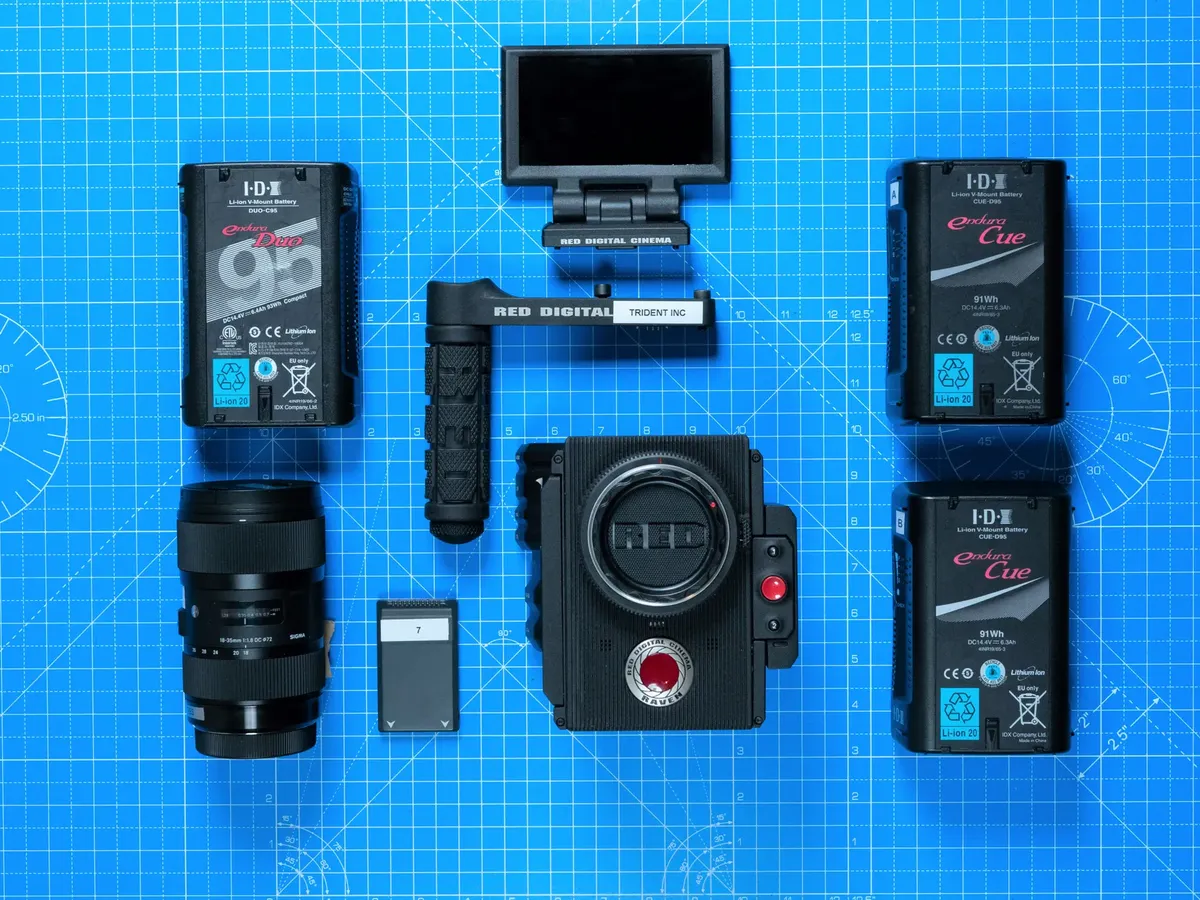
An analyst studies a shipment of components arriving at a port, noting the origin of the essential microchips. The German tech content balance is often shaped by the global supply chain and the movement of raw materials.
According to a report by the German Economic Institute, the German economy remains heavily reliant on China for various products and raw materials despite attempts to expand into other markets as of April 2024.
Economic stability and trade relationships dictate which technologies become mainstream.
In April 2024, a report by the German Economic Institute revealed that despite attempts to expand into other markets, the German economy remains heavily reliant on China for various products and raw materials.
This reliance means that tech reviews must remain sensitive to supply chain fluctuations and production shifts. A gear review comparison might reveal how different brands handle these global pressures.
When reviewing new equipment, it is vital to recognize that the availability of parts and materials is not guaranteed. This economic reality can change the lifecycle of a product or the feasibility of certain features.
A German tech review often reflects these underlying tensions between innovation and resource access.
Supply chain stability and market demand directly dictate which technologies receive mass-market adoption and which remain niche.
How does GDP influence the development of new tools?
An entrepreneur evaluates the cost of a new workstation against the projected growth of their local market. The German tech content balance is also tied to the economic prosperity of specific regions. Wealthier areas often drive the demand for high-end, specialized technology.
The top 10 list of German cities with the highest per capita GDP was based on a study by the Cologne Institute for Economic Research on 31 July 2013. Such regional economic differences can lead to varying levels of tech adoption and specialized content.
A German tech review might focus on different priorities depending on the economic landscape of the target audience.
Economic strength provides the capital necessary for research and development. This investment leads to the creation of the very tools that tech enthusiasts review. Understanding per capita GDP helps in predicting where the next wave of technological demand will emerge.
Higher levels of national wealth often provide the capital necessary for intensive research and the early-stage development of complex hardware.
How can we apply these insights to personal tech decisions?
A consumer stands in an electronics store, weighing the pros and cons of a high-end laptop against a more affordable alternative. Applying these insights involves looking at both the technical specs and the economic context of your purchase.
- Evaluate the high-technology relevance of the device to your specific needs. 2. Consider the connectivity requirements to ensure the device functions well in your area. 3. Check the long-term availability of parts or support based on current market trends.

After completing these steps, perform a final check to see if the device meets your budget and functional requirements. I found that comparing these factors helped me decide which tools were worth the investment.
A limitation of this analysis is that it focuses on broad economic and digital data rather than individual consumer behavior.
- Evaluate how a device fits into your current connectivity setup.
- Consider the long-term reliability of the manufacturer's supply chain.
- Assess whether the tool solves a practical need rather than just following a trend.
Wikipedia: Economy of Germany Based on the retained excerpt mentioning OECD: The Germany social security system comprises roughly 25% of GDP, which is high among OECD members.
The same subject is also called Tech gear balance.
The same subject is also called Tech equipment view.
Related



Comments 0