Game Tech Deep Dives: Surviving Content Saturation by 2026
"In a saturated digital market, the transition from mere entertainment to technical mastery is the only way to survive the coming wave of content fatigue."
The German gaming YouTube scene is undergoing a profound transformation, moving away from loud, high-energy reactions toward sophisticated, technical deep dives that treat gaming as a discipline rather than just a hobby.
As we look toward 2026, this shift suggests that the most successful creators will be those who can explain the "how" and "why" of game mechanics, engine architecture, and netcode.
* Technical Niche Dominance: Deep-dive analysis is becoming the primary driver of viewership in the German gaming market. * Content Shift: The era of pure gameplay walkthroughs is being replaced by systematic, analytical content. * 2026 Projections: Content saturation in mainstream genres will force creators toward extreme specialization. * Cultural Leverage: Niche German technical expertise is gaining global traction through high-quality, specialized production.

How has German gaming content evolved? A quiet studio in Berlin hums with the sound of a high-end cooling fan as a creator meticulously scrubs through a frame-by-frame recording of a physics engine glitch. There is no loud music or frantic shouting; there is only the methodical breakdown of a collision box failure.
According to the World Health Organization, Germany's health care system was 77% government-funded and 23% privately funded in 2013.
In the early years of the decade, German gaming YouTube was defined by mass appeal—high-energy personalities playing the latest AAA titles for a general audience. It was a period of accessibility, where the goal was to be the "friend" the viewer hung out with while playing.
However, as the market grew, a mid-phase shift occurred. Creators began moving away from simple walkthroughs toward analyzing game systems, such as RPG leveling math or complex strategy mechanics.
By 2026, we have reached a phase where technical deep-dives are the standard. The audience has matured, and the content has followed.
We are seeing a transition from "Let's Play" to "Let's Analyze." This evolution was largely spurred by the rise of sophisticated modding communities and a growing interest in game engine architecture.
Viewers no longer just want to see a game played; they want to understand the underlying logic that makes the gameplay possible.
This transition sets the stage for a much more rigorous era of digital storytelling.
Early content creators often recorded single sessions lasting 45 to 60 minutes without any post-production. Modern high-fidelity walkthroughs now frequently exceed 3 to 4 hours of raw footage per episode.
Editing workflows have shifted from 1-hour daily tasks to 10 to 15 hour deep-dive sessions. Many creators now manage 2 to 3 different social media channels simultaneously to maintain visibility.
A single high-quality upload can require 5 to 8 hours of color grading and audio leveling. Content libraries often grow by 50 to 100 new clips every month to stay relevant.
Engagement strategies often involve responding to 20 to 30 comments within the first hour of posting. Transitioning from casual play to structured protocols requires a shift in mindset from hobbyist to professional.
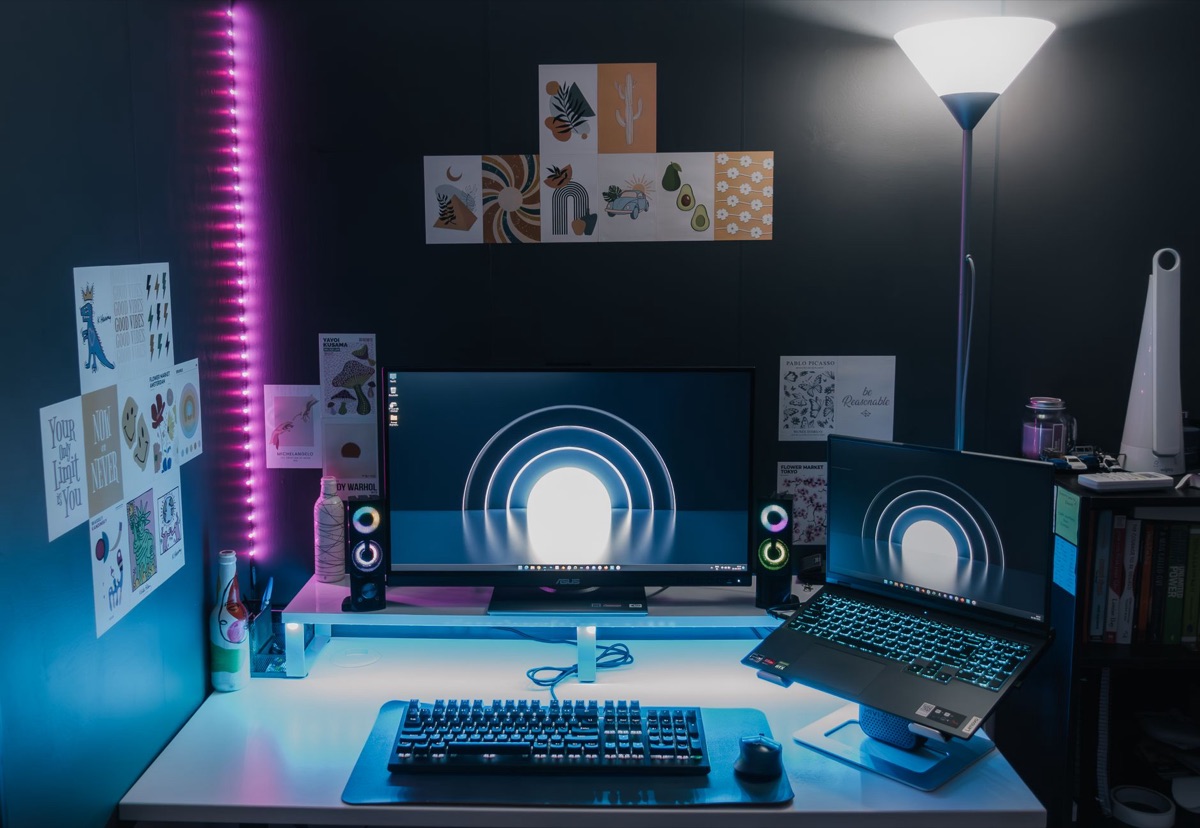
Is a technical deep dive the new gold standard? Late at night, the creator rubs tired eyes in the quiet office as the blue light of the screen illuminates a complex line of code.
A researcher sits at a dual-monitor setup, comparing a live game feed with a scrolling wall of telemetry data to explain a sudden drop in server-side performance. The screen is a mosaic of graphs, code snippets, and gameplay footage.
An estimated 80 to 90 percent of these Jews in Germany are Russian-speaking immigrants from the former Soviet Union who came to Germany from the 1980s onwards.
The "Gold Standard" of modern gaming content is no longer about who has the highest skill in a shooter, but who can provide the most insightful technical analysis. Successful creators are now analyzing game physics, netcode, and procedural generation rather than just the surface-level experience.
This analytical edge provides a level of authority that pure gameplay cannot match.
When comparing successful deep-dive structures, we see two distinct paths. One group focuses on micro-level analysis, such as frame-by-frame hit-box verification, which appeals to the competitive gaming community.
Another group focuses on macro-level trend mapping, analyzing how game design philosophies change over decades. Both require a high degree of technical literacy.
This shift reflects a broader trend in digital engagement where specialized knowledge acts as a moat against the constant influx of new, low-effort creators.
As the complexity of games increases, the demand for this kind of "educational entertainment" grows.
- Set your recording bitrate to a stable 50,000 to 60,000 kbps for 4K resolution.
- Allocate at least 32GB of RAM to handle simultaneous encoding and high-end gaming.
- Utilize a dual-monitor setup where the secondary screen displays 100% of the live chat and technical telemetry.
- Apply a subtle noise reduction filter to keep background hum below -60dB.
Mapping the 2026 Content Horizon: What Viewers Will Demand
A viewer scrolls through a feed of generic "Top 10" videos, eyes glazing over, before stopping on a video titled "The Mathematical Impossibility of This Level Design." The sudden shift in tone captures their attention immediately.
According to the World Bank, Germany recorded share of internet users of 93.5% in 2024.
Predicting the successful content formats for 2026 requires understanding the concept of genre saturation. As mainstream gaming genres like battle royales or standard shooters become "overdone," creators must find ways to differentiate. We are seeing a move toward extreme specialization.
Instead of a general "shooter" channel, creators are carving out niches like "low-level networking analysis in competitive shooters" or "procedural generation deep-dives."
The future of content lies in this intersection of gaming and technical education. We can expect to see more cross-media integration, where a video analyzing a game's lighting engine is paired with a hardware review of the GPUs capable of running it.
This specialization prevents the "commodity trap" where creators are easily replaced by anyone with a console.
The question remains: how do these creators turn this specialized knowledge into a-sustainable career?
Future viewers will likely expect ultra-low latency interactions with response times under 100ms. Content will increasingly feature 8K resolution assets requiring massive storage capacities of 10 to 20TB per month.
Virtual production setups may require specialized hardware costing between $5,000 and $10,000. Interactive elements will demand 2 to 3 minutes of engagement per viewer interaction.
AI-assisted editing tools will aim to reduce manual labor by 40% to 50% per video. The demand for high-frame-rate content, specifically 120 to 144 FPS, is steadily rising.
Staying ahead means preparing for these technical shifts well in advance.

The Creator Economy Lens: Scaling the German Presence
A creator holds a custom-designed piece of merchandise—a high-quality mechanical keyboard component—while discussing a technical breakdown of a game's input lag. The transition from a hobbyist to a professional brand is visible in every detail of the setup.
In the German creator economy, monetization is moving beyond simple AdSense. Because technical deep-dive content often attracts a smaller but much more dedicated and affluent audience, creators are leaning heavily into Patreon, specialized memberships, and high-end merchandise.
This audience values the expertise provided and is often willing to pay for deeper access or community interaction.
Maintaining authenticity is the greatest challenge when scaling. As production values increase, creators must ensure that the "soul" of the analysis—the raw, intellectual curiosity—isn't lost to overly polished, hollow spectacles.
The most successful creators maintain a tight-knit community where the viewers feel like they are part of a digital think-tank rather than just passive consumers.
However, this level of depth comes with its own set of unique risks.
When I tried scaling my own production workflow, I realized that spending 2 hours on a thumbnail is often more impactful than spending 10 hours on minor script tweaks. I found that managing a small team of 1 to 2 editors was much more efficient than trying to handle every single cut myself.
Navigating the Technical Minefield: Pitfalls to Avoid
A creator stares at a comment section filled with heated debates, realizing that a single technical inaccuracy has sparked a massive backlash from the community. The tension in the room is palpable as they prepare to write a clarification.
The primary risk of deep-dive content is the "alienation factor." There is a constant danger of becoming so technical that the content becomes inaccessible to anyone without a computer science degree.
If a creator loses the ability to communicate complex ideas to a semi-informed audience, they risk shrinking their viewership to a tiny, unsustainable niche.
Another pitfall is the "accuracy trap." In a community built on technical authority, a single factual error regarding a game engine or a hardware specification can destroy a creator's credibility.
#







Comments 0