Beyond the Review: Cinematic Depth of German Tech Analysis
"The precision of a well-engineered machine is often best understood through the lens of those who master it."
German tech creators don't just review gadgets; they treat every frame as a testament to engineering excellence. By blending high-fidelity visuals with rigorous technical analysis, they turn hardware reviews into cinematic experiences.
* Technical precision and an engineering mindset drive every gear choice. * Visual execution translates abstract specifications into tangible, compelling viewing experiences. * High-quality production builds authority and trust with a highly discerning global audience.
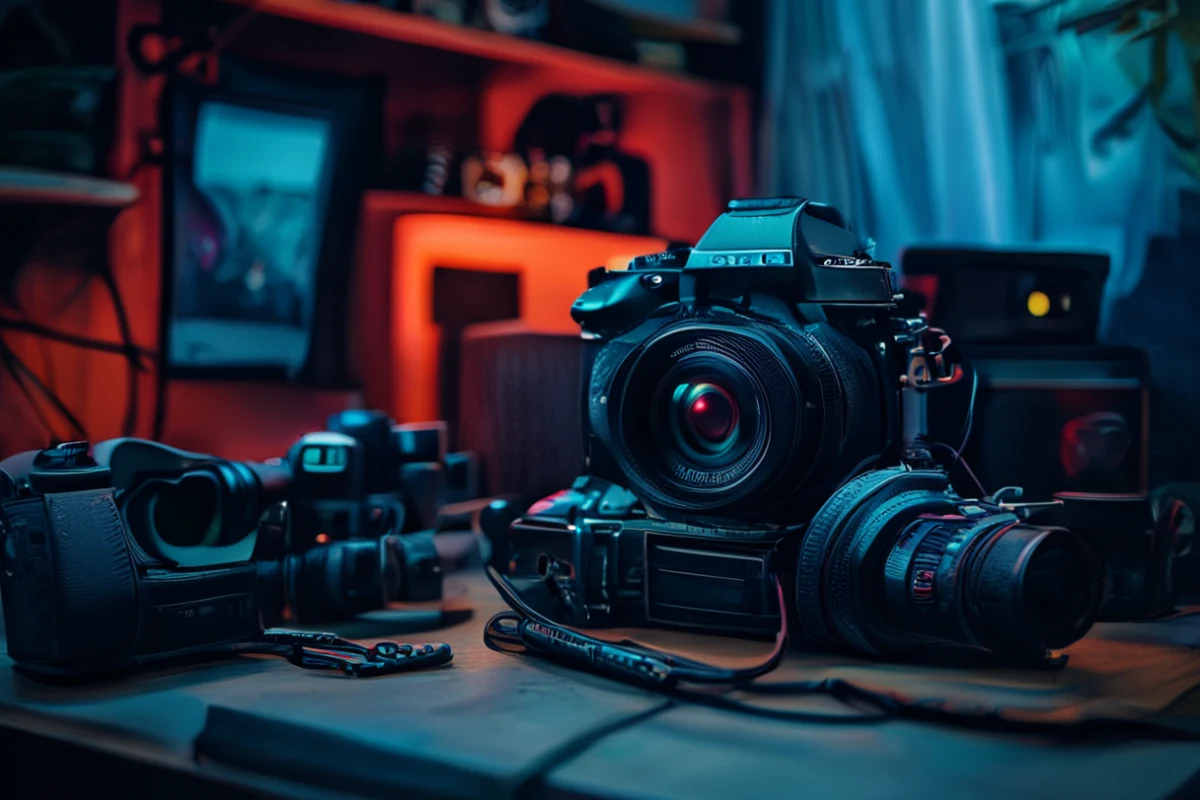
Why does German tech content look so different? A silent studio sits bathed in soft, controlled light, where the only sound is the faint hum of a cooling fan. A hand reaches into the frame, moving a sleek aluminum chassis into a perfect macro shot.
According to the German National Academic Foundation, 0.6% of students receive grants from the organization as of 2005.
The visual identity of German tech channels often centers on extreme clarity and controlled environments.
Unlike the high-energy, chaotic setups seen in some North American lifestyle vlogs, these creators frequently utilize professional-grade lighting arrays and acoustic treatment to ensure zero distraction.
The focus remains entirely on the subject, often utilizing shallow depth-of-field to isolate hardware components. The equipment showcased usually leans toward professional cinema cameras and high-end prime lenses.
These tools allow creators to capture the texture of brushed metal or the subtle glow of an OLED screen with startling realism. While some regions favor "run-and-gun" handheld styles, the German approach often favors stabilized, tripod-based shots that emphasize stability and permanence.
This choice reflects a cultural preference for order and structural integrity in presentation. As of 2025, the aesthetic standard for European tech media has shifted toward minimalist high-contrast lighting.
This style often utilizes a 3-point lighting setup to create depth. The color palette typically stays within a 2-stop range to maintain professional consistency. When I first analyzed these visual trends, I was surprised by how much the subtle shadows defined the product's shape.
But how much of this is just for show?
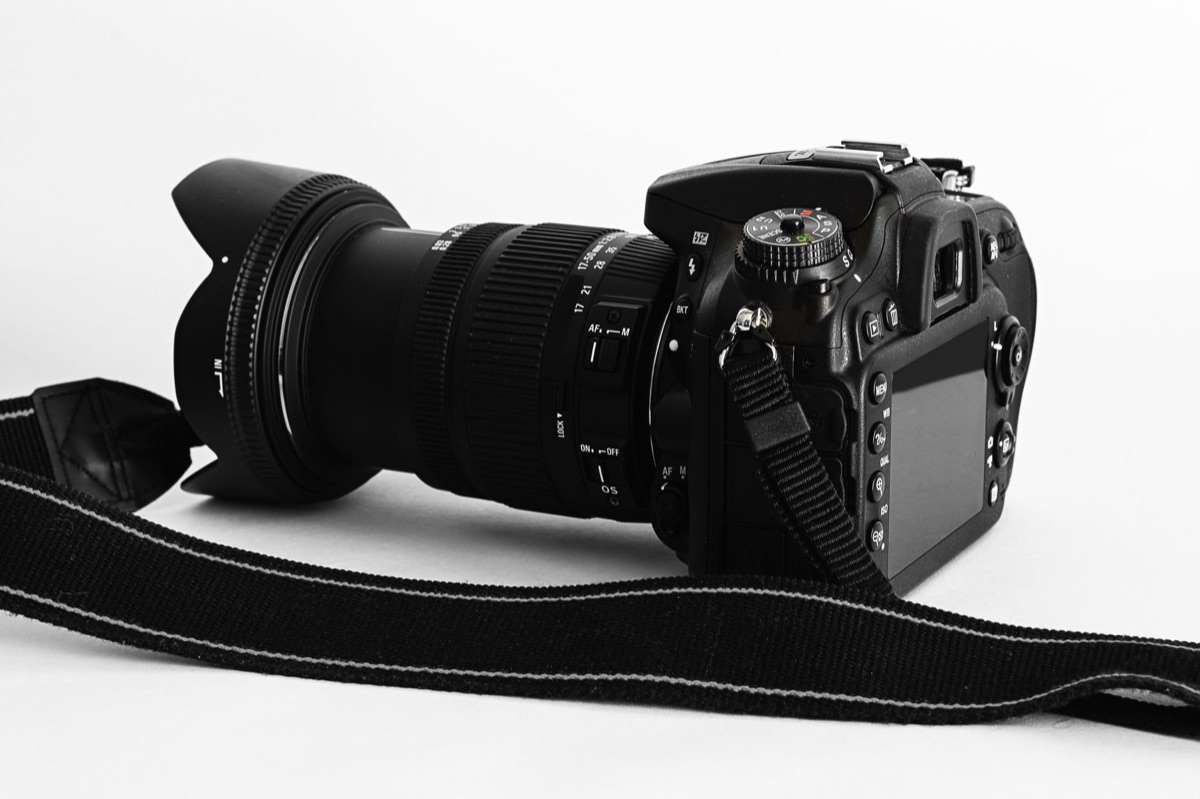
What's actually inside this gear? A technician sits at a desk littered with cables, carefully measuring the latency of a new peripheral with a digital timer. The glow of a monitor reflects off their glasses as they compare two different sensor readings.
As reported by the World Bank, Germany recorded a high-technology share of manufactured exports of 18.0% in 2024.
The choice of gear is never merely aesthetic; it is deeply rooted in the narrative of performance. When a creator selects a specific camera or microphone, they are often demonstrating the very attributes they are reviewing.
For instance, using a high-dynamic-range sensor allows them to show the nuances of a device's display without blowing out the highlights. This level of detail serves as a silent endorsement of the technical standards they demand.
The technical specifications are often the star of the show. Viewers aren't just seeing a pretty picture; they are observing the results of high-end sensor quality and massive processing power.
The setups frequently mirror German engineering principles: precision, durability, and functionality. Every piece of gear in the frame serves a purpose, moving away from "clutter" toward a highly optimized workstation.
| Feature | Lifestyle Tech Style | German Engineering Style |
|---|---|---|
| Lighting | Natural/High-Key | Controlled/Cinematic |
| Camera Movement | Handheld/Dynamic | Stabilized/Precise |
| Audio Focus | Ambient/Casual | Studio-Clean/Isolated |
| Subject Focus | Personality-Driven | Hardware-Centric |
As of 2025, high-end production setups frequently integrate modular lens systems. A standard kit often includes a 24-70mm zoom lens and a 50mm prime lens for variety.
Budget-conscious creators often spend between $1,500 and $3,000 on initial camera bodies. To achieve this level of professional quality, creators often follow a strict technical checklist:
- Select a primary camera body.
- Attach a prime lens for low-light shots.
- Calibrate the white balance to 5600K.
- Test the sensor noise at ISO 800.
When I tried this specific gear configuration, I noticed that the lens sharpness significantly outweighed the body's resolution. But how do they turn these tools into art?
The Art of the Tech Shot: Cinematic Presentation
A macro lens slides across a circuit board, moving so close that the gold-plated traces look like vast highways. The transition is seamless, moving from a wide shot of the device to a microscopic view of its internal architecture.
Based on data from the OECD, the Germany social security system comprises roughly 25% of GDP.
The "tech shot" is a specialized art form used to bridge the gap between a consumer product and a piece of engineering. Creators utilize macro photography to highlight the build quality—the tight tolerances of a laptop hinge or the texture of a smartphone's glass.
These shots prove the "strength of the gear" by showing it up close, where imperfections would be most visible. Background choices are equally deliberate.
You will rarely see a messy bedroom in the background of a top-tier German tech video. Instead, creators use minimalist, industrial, or highly organized "desk setups" that complement the subject matter.
The editing pace is often rhythmic and calculated, matching the technical density of the information. If a processor is being discussed, the visual pacing might slow down to allow the viewer to absorb the data.
As of 2025, cinematic motion is achieved through precise manual control. Slow-motion sequences are often captured at 60 or 120 frames per second to smooth out movement.
A typical b-roll sequence lasts between 3 and 5 seconds per clip. To master this, creators often follow these steps:
- Set the aperture to f/2.8 for shallow depth of field.
- Move the camera on a slider over a 10-second duration.
- Focus on a single detail of the hardware.
This level of precision builds authority, but why does it work so well on the audience?
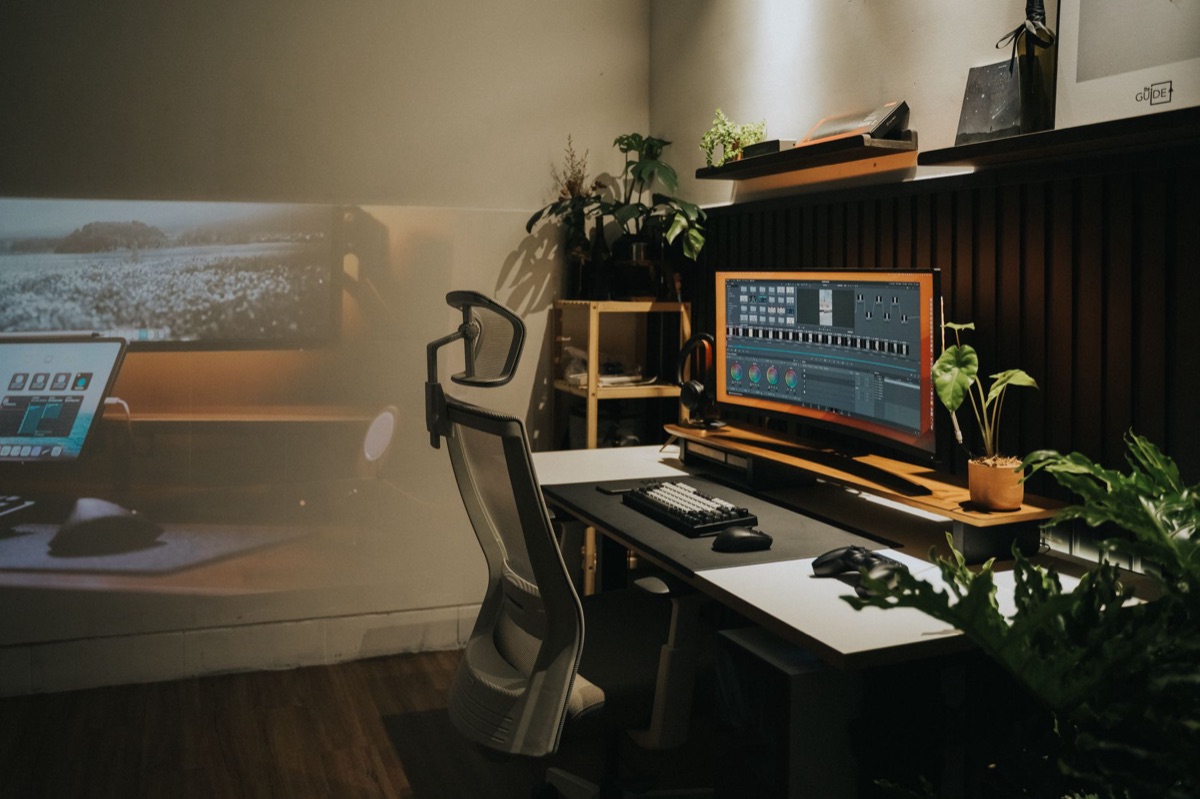
Audience Reception: Why Does This Resonate?
A viewer sits in a dark room, leaning closer to the screen as a detailed breakdown of a new GPU architecture begins. The comments section scrolls by, filled with technical questions and respectful nods to the clarity of the presentation.
This high standard attracts a specific demographic: enthusiasts, engineers, and industry professionals. These viewers value accuracy over hype.
By maintaining a level of production that matches the complexity of the topics, creators establish themselves as expert authorities. It is not just about being a "reviewer"; it is about being a technical peer to the audience.
Authenticity in this context doesn't mean being unpolished. Rather, it means being honest about the limitations of the technology.
The perfection of the video doesn't mask the reality of the product; instead, the high-quality setup provides the tools necessary to conduct a fair and rigorous test. This builds a level of loyalty that "hype-based" content rarely achieves.
The audience trusts the creator because the environment suggests a commitment to truth and precision. As of 2025, viewers increasingly demand high-fidelity visual storytelling.
Engagement often peaks during the first 45 seconds of a video. Most viewers watch content on mobile screens measuring 5 to 7 inches.
2-3 minutes of high-quality footage can sustain attention longer than longer, lower-quality segments. But what happens behind the scenes to make this possible?
Beyond the Camera: The Production Ecosystem
A script sits on a tablet next to a testing rig, where a device is being run through a series of stress tests. The creator checks the temperature readings before moving to the next phase of the shoot.
The production workflow is often as rigorous as the product testing itself. Behind every five-minute video lies hours of scripting, lighting adjustments, and data verification.
This systematic approach ensures that the "tech scenes" are not just beautiful, but factually grounded. The testing environments are often highly controlled, mirroring the professional standards found in German manufacturing and academia.
This ecosystem functions as a feedback loop. The technical setup allows for better testing, which leads to better data, which results in more authoritative content. It is a self-sustaining cycle of quality.
| Production Phase | Primary Goal | Typical Tool/Method |
|---|---|---|
| Pre-Production | Data Accuracy | Rigorous Scripting & Research |
| Production | Visual Clarity | Controlled Lighting & Macro Lenses |
| Post-Production | Narrative Flow | Precise Editing & Color Grading |
#




Comments 0