How do German rap and pop trends interact?
"Music is the shorthand of emotion."
The current German music scene is characterized by a strong emphasis on local hip-hop and electronic dance music, which dominate both streaming platforms and club culture.
This guide explores the primary genres shaping the nation's sound, the influence of urban rap, and the structural shifts within the industry. To understand these trends, listeners should focus on the interplay between traditional melodic structures and modern rhythmic production.
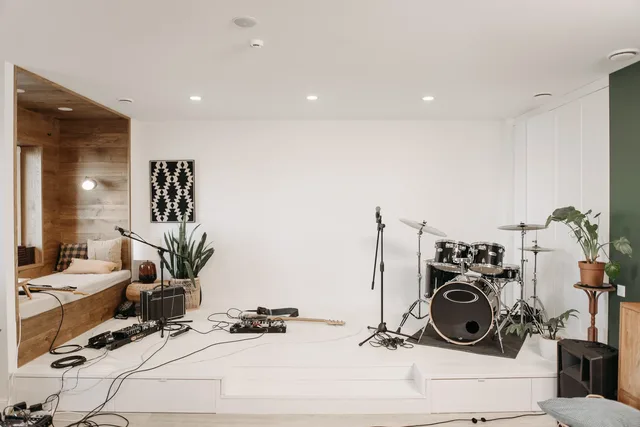
* Dominance of German-language rap and pop. * The central role of electronic music in club culture. * The shift toward digital-first consumption. * The influence of academic music theory on structural analysis.
What kind of music is popular in Germany?
A young enthusiast sits in a dimly lit Berlin cafe, headphones on, scrolling through a local playlist. They notice how the heavy bass of German rap blends seamlessly into melodic pop hooks. This intersection represents the current German music scene, where genre boundaries are increasingly fluid.
The most prominent trends involve a mix of high-energy rap and polished pop production. Many artists now prioritize German-language lyrics to build deeper connections with local audiences, moving away from English-centric songwriting.
This shift has allowed homegrown talent to compete directly with international superstars on domestic charts.
The current German music scene relies heavily on these localized sounds to maintain cultural relevance. While electronic music remains a foundational pillar, the rise of melodic rap has changed how listeners engage with mainstream radio.
Understanding these shifts requires looking at how artists combine traditional songwriting with digital production techniques.
How do German rap and pop trends interact?
Walking through a crowded urban square, a street performer plays a rhythmic beat that mimics a modern rap track. Passersby tap their feet to the syncopated percussion, recognizing the familiar cadence of contemporary hits. This interaction highlights the synergy between German rap and pop trends.
Rap has evolved from a niche subculture into a primary driver of the pop market. Many artists now utilize pop-inspired melodies to make their lyrical content more accessible to a wider demographic.
This fusion creates a sound that is both rhythmically driving and emotionally resonant, catering to diverse listening habits.
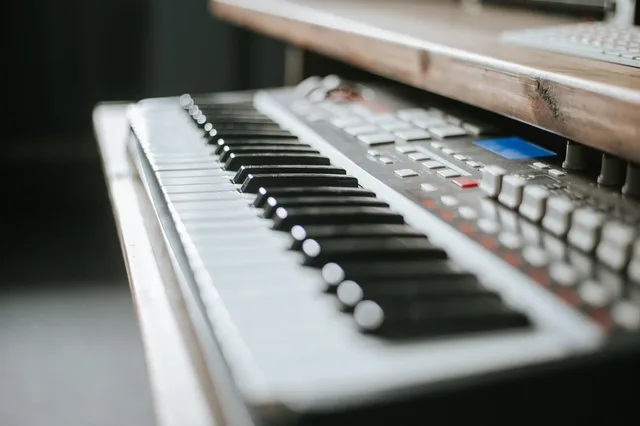
The integration of these styles is evident in the way music videos and social media challenges are produced. Artists use the storytelling depth of rap alongside the catchy, repetitive hooks characteristic of pop.
This dual approach ensures that tracks can perform well both in intense club environments and on casual streaming playlists.
What is the German music scene like right now?
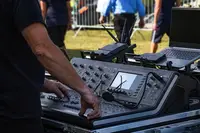
An observer watches a DJ adjust a slider on a mixer, sending a deep, pulsing rhythm through a packed dance floor. The atmosphere is electric, fueled by the seamless transitions between techno and house. This sensory experience is a core component of the current German music scene.
The scene is characterized by a high degree of technical proficiency and a strong emphasis on rhythmic innovation. Electronic music serves as a constant backdrop to social life, providing a framework for much of the country's nightlife.
This genre acts as a bridge between underground experimentalism and mainstream commercial success.
The current German music scene is also shaped by how digital platforms dictate discovery. Algorithms often push specific sonic textures that favor high-frequency percussion and heavy low-end.
This technological influence ensures that certain rhythmic patterns become ubiquitous across all major streaming services.
Exploring top German music styles
A student sits in a quiet library, examining a score that breaks down the complex layers of a modern composition. They look for patterns in the melody and the mathematical precision of the rhythm. This academic approach is one way to engage with top German music styles.
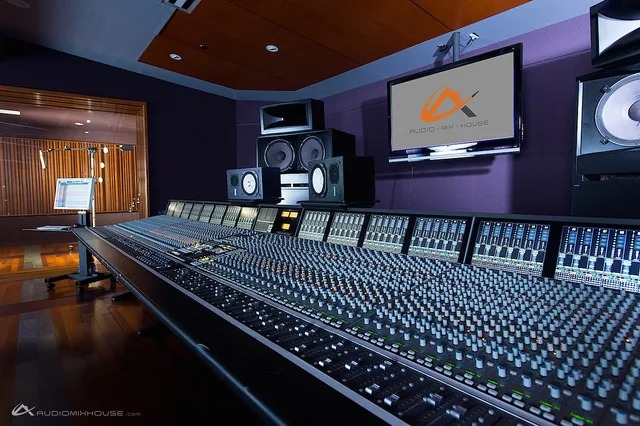
While much of the music is driven by feeling, there is a significant level of structural sophistication in how hits are constructed. Producers often layer complex textures that reward repeated listening.
This depth allows a track to function as a simple dance anthem while offering intricate details for more attentive listeners.
The top German music styles often reflect a balance between raw energy and calculated arrangement. Whether it is the aggressive delivery of a rapper or the atmospheric build of a techno track, the emphasis remains on high-quality production.
This professionalism helps local artists maintain a competitive edge in a global market.
Analyzing new German music artists
A talent scout listens to a series of demo tapes, looking for a unique vocal timbre that stands out from the crowd. They note the way a singer's voice interacts with a minimalist electronic beat. This search is a constant part of discovering new German music artists.
Newer artists are increasingly independent, utilizing home studios to craft highly specific sounds. This independence allows for greater creative control and a faster response to changing trends. Many of these artists gain traction through niche online communities before moving to larger stages.
The emergence of new German music artists is closely tied to the democratization of music production tools. As high-quality software becomes more accessible, the barrier to entry lowers, leading to a diverse influx of talent.
This constant stream of new creators keeps the industry in a state of perpetual evolution.
Understanding German music video trends
A director reviews footage on a monitor, adjusting the color grading to match the moody aesthetic of a new single. The visuals are sharp, designed to capture attention within the first few seconds of playback. This meticulous process is central to German music video trends.
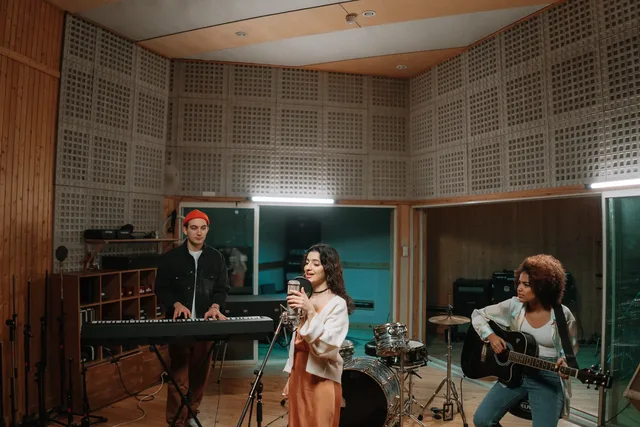
Visual storytelling has become as important as the audio itself for building an artist's brand. Videos often utilize high-concept aesthetics, ranging from gritty urban realism to surreal, abstract landscapes.
These visuals are optimized for short-form viewing, ensuring they are impactful on mobile screens.
German music video trends reflect the broader cultural emphasis on high production values and stylistic consistency. Artists use their visual identity to reinforce the themes present in their music. This holistic approach to branding helps create a more immersive experience for the fan base.
- What are the popular German music genres?
- How do German rap and pop trends interact?
- What defines the current German music scene?
The evolution of German music industry news is deeply tied to the interplay between localized rap, electronic dance music, and digital consumption patterns.
While these trends define the current landscape, the industry remains subject to the shifting preferences of digital audiences and the continuous emergence of independent creators.
Wikipedia: Society for Music Analysis Based on the retained excerpt mentioning The Society: The Society for Music Analysis is an academic society, founded in 1992 by Jonathan Dunsby, specializing in music theory and analysis.



Comments 0