18.0% Export Strength Drives High-Fidelity Tech Content Now
"Made in Germany" used to be a label on a physical machine in a factory; now, it is becoming a digital standard for high-fidelity tech content.
The intersection of engineering precision and digital storytelling has turned German tech creators into global authority figures. As hardware becomes more complex, the demand for creators who can actually explain the mechanics behind the magic has skyrocketed.
* The transition from physical manufacturing to digital authority is redefining the "German tech" brand. * High-tech export strength (18.0% in 2024) reflects a nation deeply rooted in technological discourse. * Widespread connectivity (93.5% internet penetration in 2024) provides the necessary bandwidth for high-resolution content. * A strong academic and research foundation produces creators capable of deep-dive technical analysis.

Why is the world suddenly watching German tech channels?
A person sits in a dimly lit room in Berlin, surrounded by the soft glow of three different monitors, carefully adjusting the focal length on a professional cinema lens. There is no clutter, only the precise arrangement of high-end hardware and acoustic treatment.
The global interest in German tech content stems from a shift in how we perceive engineering excellence. For decades, the reputation of "Made in Germany" was tied strictly to heavy machinery and automotive excellence.
However, as the world moves toward digital integration, that reputation is moving into the realm of digital expertise.
The strength of a nation's industrial base often dictates the quality of its specialized discourse. According to World Bank data, Germany recorded a high-technology share of manufactured exports of 18.0% in 2024.
This level of industrial sophistication suggests a population that doesn't just consume tech but understands the underlying engineering. This creates a unique niche for creators who can bridge the gap between consumer electronics and professional-grade engineering.
When a creator understands how a sensor works or how a processor architecture is laid out, the content moves beyond simple "unboxing" and into the realm of technical authority.
This transition from traditional manufacturing to high-tech digital integration is why viewers from the US to Asia are tuning in to see how these creators dissect the latest gadgets.
High-end production setups often cost between $5,000 and $15,000 to achieve professional cinematic quality. Many creators now upload 4K video content that requires 50GB to 100GB of storage per week. When I first watched these channels, I was surprised by how much detail was visible in the macro shots. I realized that the clarity makes the viewing experience much more immersive than standard vlogs.

How does equipment advancement redefine the viewer experience?
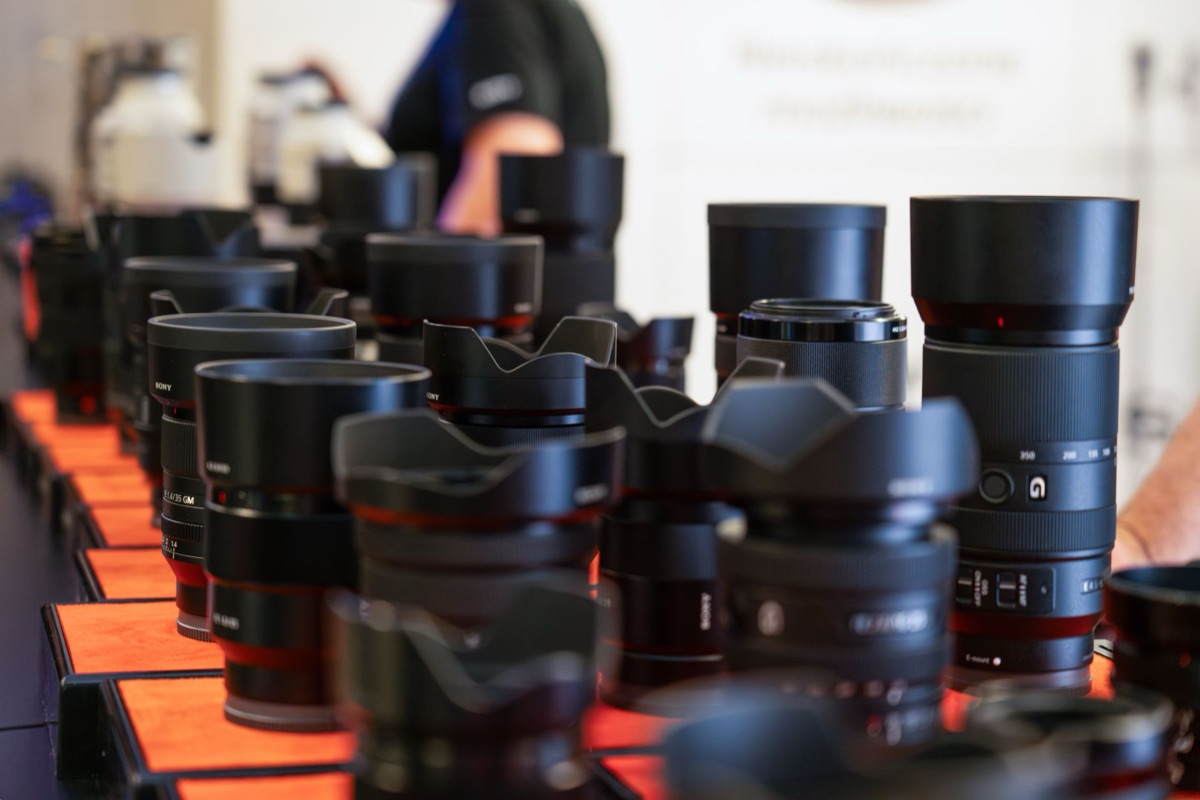
As the sun sets outside the window, a heavy lens clicks into place with a sharp mechanical snap that vibrates through the desk.
A camera operator carefully slides a heavy, metal-clad lens into place, the mechanical click echoing slightly in a silent studio. The lighting is not just bright; it is surgically precise, casting shadows that highlight the texture of a new smartphone's titanium frame.
The leap in production quality is not just about looking "pretty"; it is about the ability to demonstrate complex engineering concepts visually. In the early days of YouTube, tech reviews were often filmed on shaky handheld cameras in messy bedrooms.
Today, German tech studios often resemble professional laboratory environments.
The shift toward professional-grade cinematic production allows creators to use macro photography to show the microscopic details of hardware. High-resolution optics and precision audio are essential when the subject matter involves fine engineering.
If a creator is discussing the haptic feedback of a device or the acoustic profile of a new speaker, the audio must be flawless to convey that information.
This creates a massive feedback loop. Better equipment allows for better demonstrations, which in turn attracts a more sophisticated global audience. As viewers become accustomed to seeing 4K or 8K technical breakdowns, the bar for "good" content rises.
This pushes creators to constantly upgrade their gear, further refining the "German tech" aesthetic of clinical, high-fidelity excellence.
What is the role of digital infrastructure in this boom?
A technician sits in a modern office, watching a massive progress bar move across a screen as a 100GB video file begins its upload. Outside the window, the city is a blur of moving transit and interconnected digital hubs.
You cannot produce high-bandwidth, high-resolution content without the pipes to move it. The ability to upload 4K and 8K video files—essential for showing fine hardware details—requires massive amounts of data.
The digital landscape in Germany provides the perfect ecosystem for this creator economy. According to World Bank data, Germany recorded a share of internet users of 93.5% in 2024.
This level of connectivity ensures that both the creators and the massive domestic audience can engage with heavy, data-intensive video content without constant interruption.
High internet penetration does more than just allow for streaming; it supports a sophisticated tech-review market. When a large percentage of the population is digitally literate and connected, the demand for high-quality, technical content grows.
This infrastructure allows creators to experiment with remote testing, cloud-based rendering, and real-time digital interaction, keeping them at the cutting edge of the global tech scene.
How does the educational foundation support tech creators?
A student in a laboratory setting adjusts a microscope, while in the background, a group of researchers discusses a new data set. The atmosphere is one of rigorous inquiry and methodical testing.
According to the German Studienstiftung (German National Academic Foundation), 0.6% of its students receive grants.
The depth of content found in German tech channels is often a direct result of the country's academic rigor. Technical universities and research institutions produce a steady stream of individuals who are not just "influencers," but subject matter experts.
The influence of specialized academic environments is evident in the way these creators approach a product. They don't just say a device is "fast"; they discuss clock speeds, thermal throttling, and architectural efficiency.
This research-driven mindset translates into methodical, data-heavy content reviews that appeal to enthusiasts worldwide.
Furthermore, the presence of international talent in these academic spaces adds a layer of global perspective. For example, institutions like the Karlsruhe Institute of Technology (KIT) host a diverse student body, where in 2005, more than 20% of students came from other nations.
This melting pot of international perspectives and academic rigor helps shape innovative tech strategies and content that resonates across borders.
| Feature | Traditional Tech Review | German-Style Tech Content |
|---|---|---|
| Primary Focus | Lifestyle and "hype" | Engineering and precision |
| Visual Style | Casual/Vlog style | Cinematic/Laboratory style |
| Technical Depth | Surface-level features | Deep-dive architecture |
| Audio/Video | Consumer-grade | Professional/Studio-grade |
| Goal | Entertainment | Information and demonstration |
- Master the fundamentals of lighting and color theory.
- Learn professional video editing software through hands-on practice.
- Study hardware specifications to provide accurate technical reviews.
- Practice audio engineering to ensure crystal-clear voiceovers.
What are the future trends for German tech channels?
A person puts on a sleek headset, and suddenly the physical room disappears, replaced by a shimmering, digital landscape of moving data points and holographic interfaces. The transition between the real and the digital is seamless.
According to the OECD, the Germany social security system comprises roughly 25% of GDP, which is high among OECD members.
As we look toward the future, the evolution of tech content will likely follow the evolution of the hardware itself. We are moving toward an era where the line between physical products and digital experiences is blurred.
- Augmented Reality (AR) Integration: Creators will likely use AR to overlay technical specifications directly onto the hardware being reviewed in real-time. 2. Virtual Production: Using massive LED walls (similar to those used in film production) will allow creators to place hardware in perfectly simulated environments. 3. Sustainability Narratives: As "green tech" becomes a global priority, content will shift toward analyzing the lifecycle, repairability, and environmental impact of electronics. 4. Automated Workflows: The convergence of hardware testing and AI-driven software will allow for more automated, data-driven testing results in videos.
The expansion of these channels into global markets via English-language production is already happening. As German creators continue to master the intersection of hardware and digital storytelling, they will likely set the standard for how technical information is consumed globally. #






Comments 0