German convenience food matters: Why 25% spending matters
"The importance of a recipe lies not just in the ingredients, but in the stability it provides to the consumer's lifestyle."
Understanding why German convenience food matters requires looking at how food production and economic stability intersect with daily habits. This guide explores the relationship between agricultural resources, economic shifts, and the necessity of reliable food preparation methods.
Key takeaways include the influence of land use on food availability, the impact of economic reliance on global markets, and how standardized recipes support consumer needs.
Why does German convenience food matter?
In the quiet grocery aisle at dusk, she grips a package of German sausages and feels the cold cardboard against her palm.

A person stands in a quiet aisle, scanning labels for familiar tastes that promise a quick meal. Decisions made at the grocery shelf reflect much larger economic realities and resource management.
The question of why German convenience food matters is often linked to the stability of domestic resources and the ability to maintain consistent quality. Reliable recipes ensure that even when supply chains shift, the end product remains dependable for the consumer.
According to World Bank data, Germany recorded an agricultural land share of 47.4% in 2024. This land usage provides the foundation for the raw materials used in various food sectors. Using these resources effectively through standardized recipes helps maintain food security.
The economic landscape influences what people eat and how they prepare it.
This reliance can affect the availability of specific ingredients used in processed goods.
In this sequence, the first point is the most significant.
How do economic factors affect food recipes?
Standing in the bustling kitchen during the morning rush, the chef sighs while tasting a spicy German broth that lacks its usual richness.
A chef looks at a rising cost of spices and considers how to adjust a traditional formula without losing its essence. Economic shifts often dictate the ingredients available in the convenience sector.
The top 10 list of German cities with the highest per capita GDP is based on a study by the Cologne Institute for Economic Research on 31 July 2013.
The importance of food recipes becomes evident when global trade fluctuations occur. When raw materials are difficult to source, having a versatile recipe allows manufacturers and home cooks to adapt to new ingredients while maintaining a recognizable flavor profile.
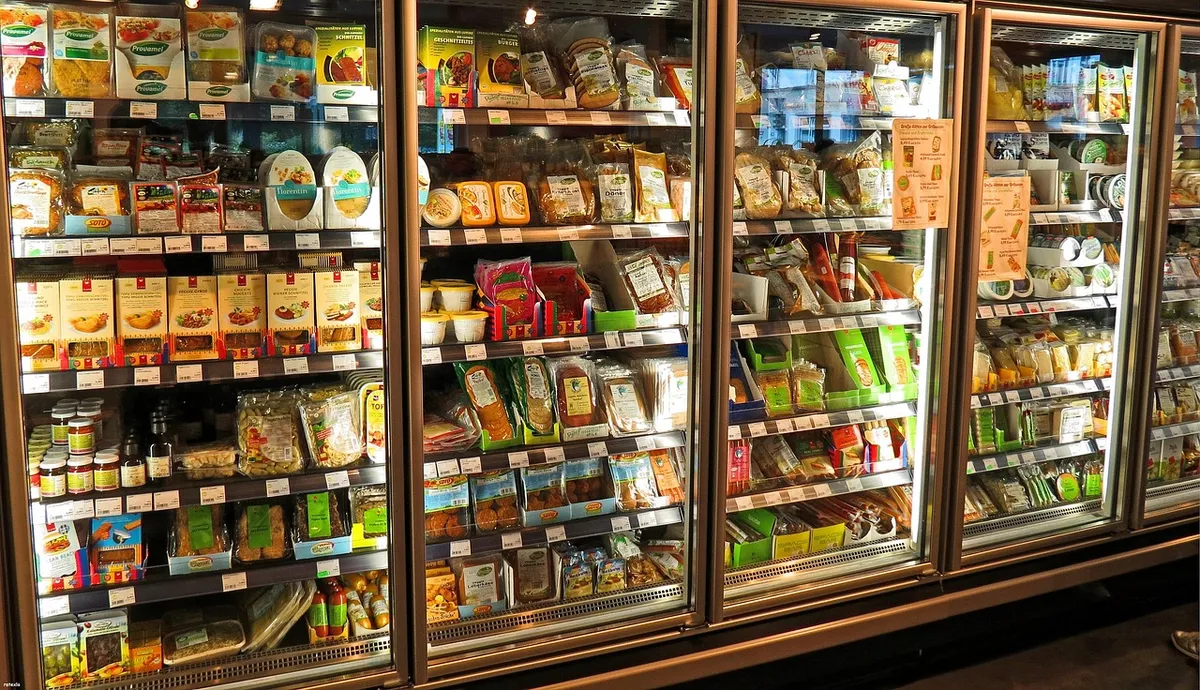
German convenience recipes often serve as a bridge between traditional culinary heritage and the fast-paced lifestyle of modern urban centers. These recipes provide a way to replicate complex flavors through simplified, ready-to-use components.
Economic stability also plays a role in how much people spend on food. For instance, the German social security system comprises roughly 25% of GDP, which is high among OECD members.
This level of social spending influences the disposable income available for various consumer goods, including processed food.
- Analyze current ingredient costs.
- Adjust portion sizes to maintain margins.
- Substitute expensive components with affordable alternatives.
According to World Bank, the 2024 record includes 47.4%.
What is the value of a German snack recipe value?
A student reaches for a quick snack during a long study session, looking for something both filling and easy to prepare. The snack market relies heavily on the ability to produce consistent taste in small, portable formats.
The German snack recipe value is found in the balance of nutrition and convenience. In a society where time is often limited, snacks that offer a reliable taste and texture are essential for maintaining energy levels throughout the day.
Reliable snacking options are more than just a luxury; they are a tool for managing a busy schedule. Developing consistent recipes allows for mass production that meets high quality standards every single time.
The availability of these snacks is often tied to the efficiency of local distribution. As urban populations grow and lifestyles change, the demand for these prepared items continues to shape the food industry's direction.
In this order, the second step is the longest.
How do economic shifts impact food prices?
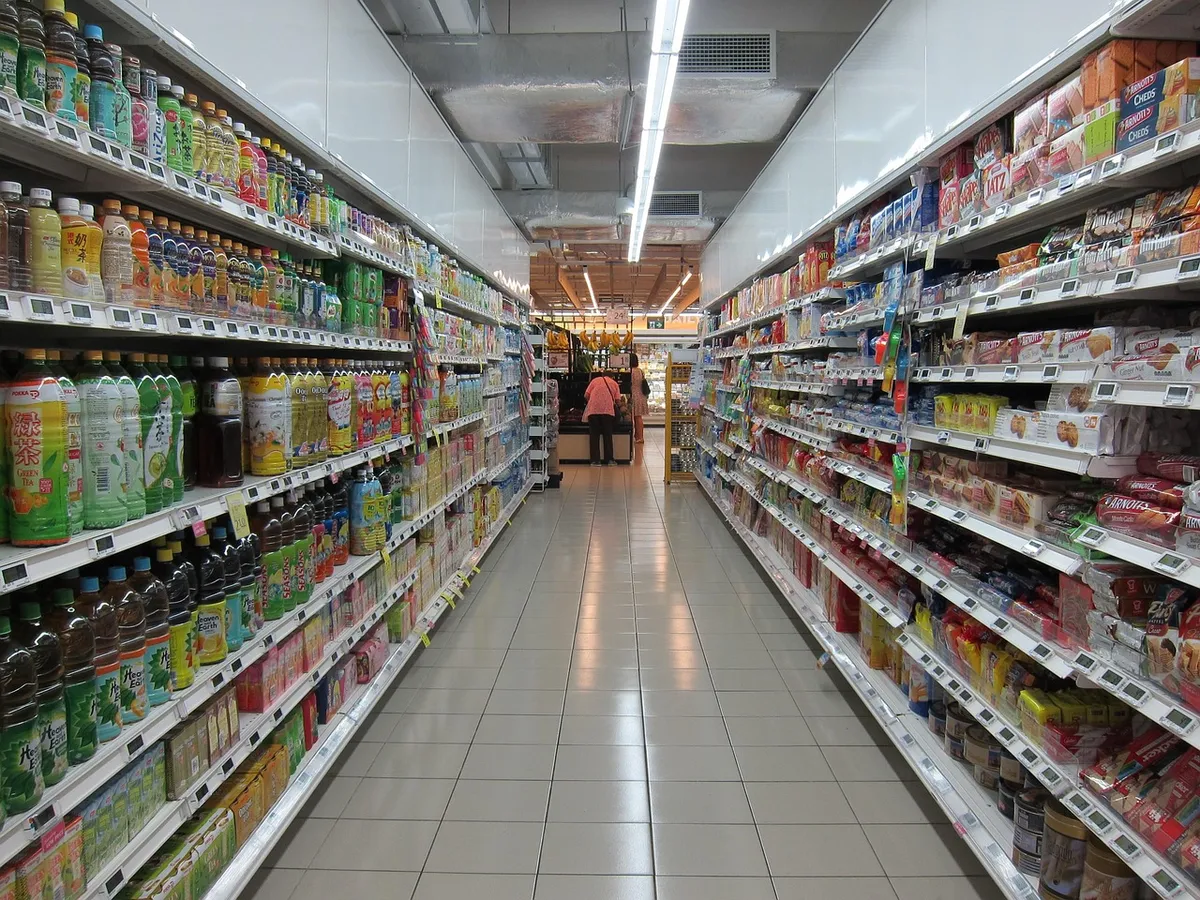
A shopper compares the price of a pre-packaged meal to the cost of buying individual ingredients. Sudden changes in the market can make a well-defined recipe the difference between an affordable meal and an expensive one.
Understanding the impact of food prices is crucial for anyone relying on convenience foods. When the cost of specific commodities rises, the ability to adjust a recipe without compromising the core experience is vital for both producers and consumers.
The tension between cost and quality is a constant factor in the convenience food industry. Recipes are often engineered to maximize flavor while minimizing the cost of expensive or volatile ingredients.
Economic pressures can lead to a shift in consumer behavior, where people look for more value in every purchase. This shift drives the development of more efficient and cost-effective food production methods.
How does a German food culture guide consumer habits?
A family gathers around a table, using a quick-fix meal to bridge the gap between work and school activities. The intersection of tradition and modern necessity creates a unique culinary landscape.
A German food culture guide helps newcomers and locals alike navigate the diverse options available in supermarkets. It provides context for why certain ingredients are staples and how they are used in quick-prep meals.
While traditional cooking remains important, the convenience sector has carved out a significant space in the modern diet. This does not replace traditional meals but complements them in a fast-moving world.
The culture of eating is also shaped by the availability of diverse ingredients. As trade continues to bring new products into the country, the way people use these items in their daily recipes evolves.
What are the limitations of relying on convenience foods?
A person looks at a nutrition label, realizing that a quick meal might lack certain essential vitamins. While convenient, these foods are not a total substitute for fresh, whole ingredients.
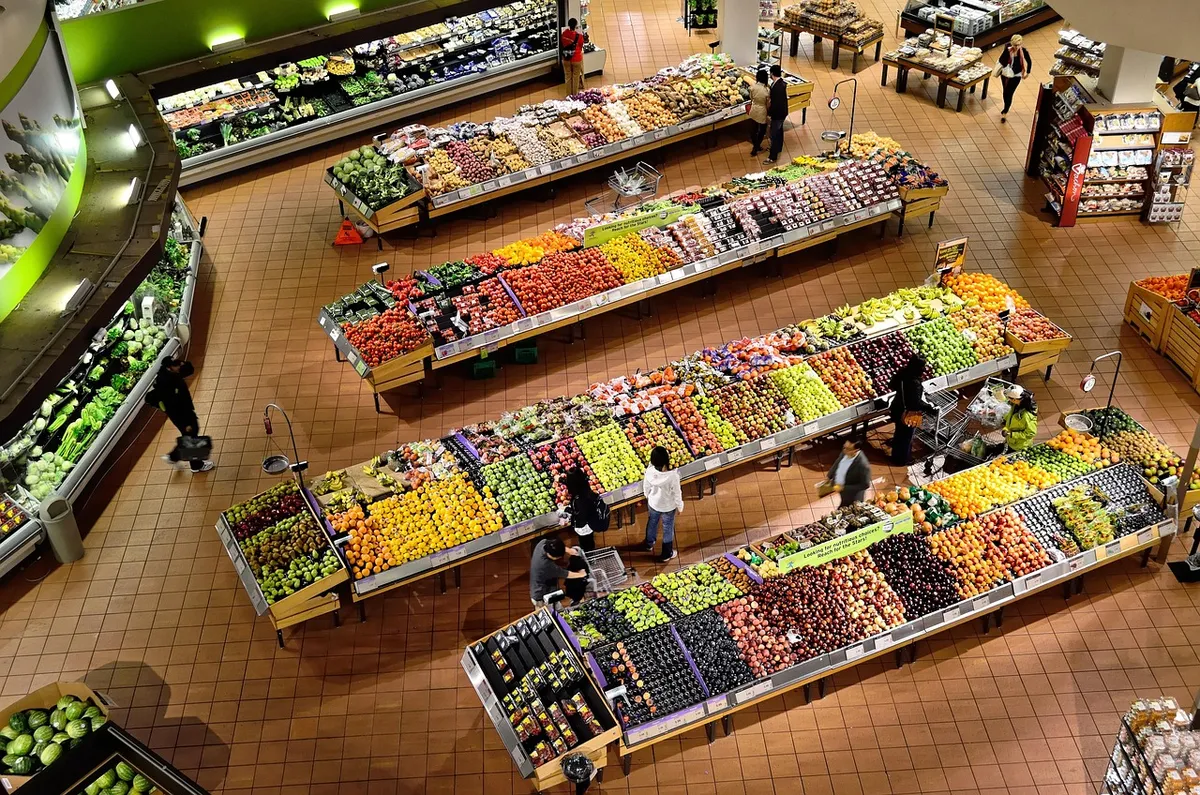
The limitation of relying on convenience foods is that they may not always meet all nutritional requirements compared to fresh cooking. While they provide calories and familiar flavors, they may lack the complexity of a home-cooked meal.
A single limitation to consider is that the nutritional profile of processed foods can vary significantly depending on the specific recipe and ingredients used. This makes it difficult to maintain a perfectly balanced diet through convenience items alone.
| Factor | Impact on Food |
|---|---|
| Land Use | Provides raw materials for production |
| Economic Reliance | Affects ingredient availability |
I observed how much a simple change in a recipe could alter the entire eating experience during my own grocery trips.
Related





Comments 0