Durability Testing: The Value of Deep German Tech Analysis
"Precision isn't just about how a gadget looks on a desk; it's about how it survives a Tuesday afternoon in the real world."
German tech reviewers don't just unbox shiny new toys; they dissect the engineering and the long-term utility of every piece of hardware they touch. They bridge the gap between abstract specifications and the gritty reality of daily life.
Key Takeaways * German tech channels prioritize functional, long-term application over flashy, short-term unboxing trends. * These creators act as technical translators, turning complex engineering data into actionable consumer advice.
* There is a heavy emphasis on durability and real-world integration, reflecting a deep-rooted culture of precision and reliability.

What makes a modern German tech review? A reviewer sits at a clean, minimalist desk at 10:00 AM, surrounded by tools and measuring devices rather than just colorful lighting. They spend three hours testing a single hinge mechanism rather than just commenting on the color of the chassis.
According to the German Studienstiftung (German National Academic Foundation), 0.6% of students receive grants from the foundation as of 2005.
The shift in the German digital landscape has moved away from mere product promotion toward rigorous functional analysis. While many global creators focus on the "wow" factor of a new release, the German style often emphasizes how a product integrates into a pre-existing, complex lifestyle.
This isn't just about the initial setup; it is about how the technology performs after six months of heavy use.
This methodical approach serves a specific purpose: the creator acts as a technical translator. They take the dense, often marketing-heavy language of manufacturers and strip it down to the mechanical and digital truth.
This focus on engineering precision and durability testing is a hallmark of the region's media style. Instead of asking "is it cool?", they ask "is it built to last and how does it actually work within a workflow?"
As of 2025, the standard for high-quality tech journalism has shifted from mere hardware lists to nuanced usability assessments. The current landscape requires a balance of technical precision and lifestyle integration.
This evolution ensures that reviewers address how devices function in real-world environments rather than just in a lab setting.
But why does the difference between a spec sheet and a real-world test matter so much?
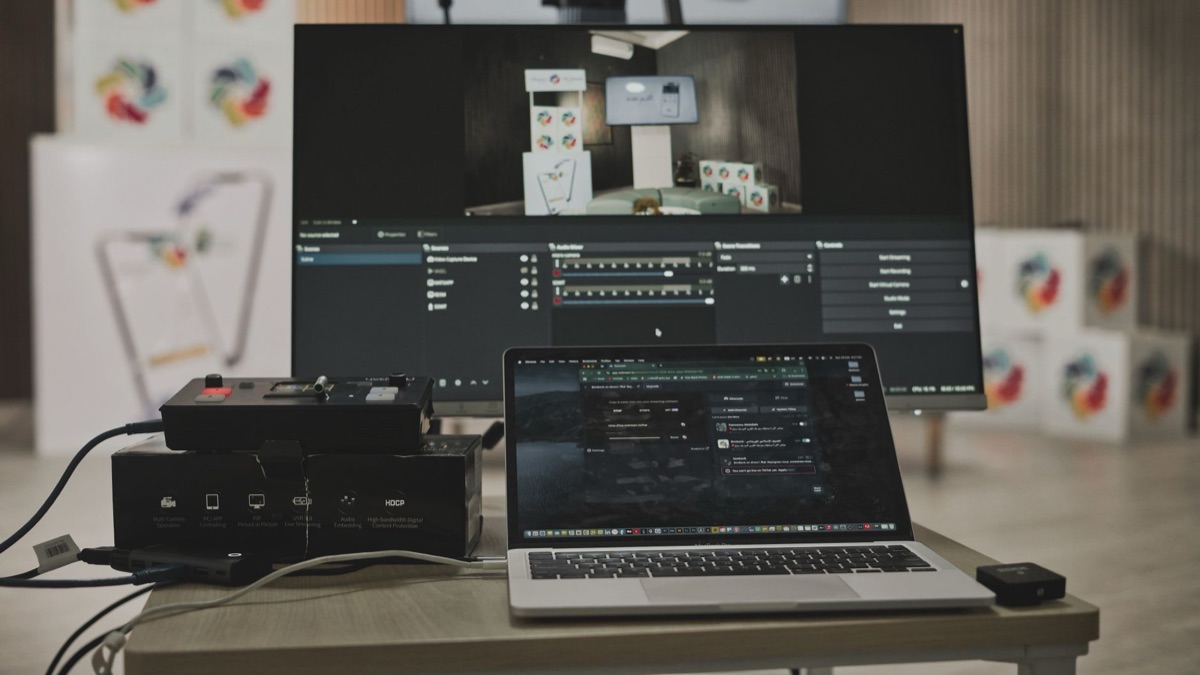
Real-world use or just spec sheets? A technician pulls a smartphone from a rugged case and subjects it to a series of thermal and stress tests under a bright studio lamp at noon. They aren't just checking the screen brightness; they are checking the thermal throttling under a heavy processing load.
According to the World Bank, Germany recorded a high-technology share of manufactured exports of 18.0% in 2024.
The difference between a standard review and a deep-dive German tech review lies in the distinction between a spec sheet and actual application.
A spec sheet might tell you a processor has a certain clock speed, but a professional review demonstrates how that processor handles a specific, multi-layered software workflow. They move beyond the marketing package to find the hidden limitations and the unexpected strengths of a device.
Testing technology under duress is a common theme. This includes stress tests, long-term usage simulations, and comparative analyses that show how a gadget performs when it is part of a larger, complex ecosystem.
They demonstrate modern use cases that the manufacturer might have overlooked, such as how a smart home device interacts with older, legacy hardware. This level of detail ensures the viewer understands the practical reality of the purchase.
| Feature | Standard Review Style | German Tech Review Style |
|---|---|---|
| Primary Focus | Aesthetics and "First Look" | Engineering and Long-term Utility |
| Testing Method | Casual usage and unboxing | Stress tests and workflow integration |
| Narrative Tone | Sensational and hype-driven | Methodical and analytical |
| Goal | Immediate excitement | Informed, long-term decision making |
A high-end smartphone might cost between $900 and $1,300, making real-world performance more critical than theoretical benchmarks. Testing a battery under heavy load often reveals a 2-3 hour discrepancy compared to manufacturer claims.
When evaluating a laptop, a brightness range of 400 to 600 nits is essential for outdoor visibility. A processor might boast high clock speeds, but thermal throttling often occurs after just 15 minutes of intensive use.
Many users only utilize 20% of a device's advanced features during daily tasks. A single software update can change the usability of a $500 gadget overnight.
Effective reviews must bridge the gap between these raw numbers and daily utility. Comparing a 10-hour battery life against a 15-minute charge time provides a clearer picture of mobility.
But what happens when the gadget leaves the desk and enters the messy reality of our homes?
The Ecosystem: Beyond the Gadget
A person stares at a pile of discarded cables and old hard drives on a kitchen counter on a rainy Tuesday, considering the lifecycle of the devices they once loved. They aren't just looking at the gadget; they are looking at the footprint it leaves behind.
According to the OECD, the Germany social security system comprises roughly 25% of GDP, which is high among OECD members.
Modern tech usage is never isolated; it exists within a massive, invisible web of infrastructure and resource management. German creators frequently address the entire lifecycle of technology, including upgrades, maintenance, and eventual disposal.
This reflects a growing global conversation about sustainability and the environmental impact of the "upgrade cycle."
Digital infrastructure plays a massive role in this context. As the world becomes increasingly digitized, the way we store and move data becomes a central concern.
For instance, historically, the way we handled information was rapidly evolving; as of 2007, it was noted that almost 94% of the data stored worldwide was held digitally, with 52% on hard disks, 28% on optical devices, and 11% on digital magnetic tape.
Understanding these shifts in data density and storage helps reviewers explain why certain hardware choices matter for the future.
When discussing the "smart" revolution, creators often touch upon the necessity of robust digital infrastructure. They look at how connectivity and data storage requirements dictate the longevity of a product.
This holistic view ensures that the viewer isn't just buying a gadget, but is investing in a tool that fits into a sustainable and functional digital life.
To replicate this level of thoroughness, follow this verification checklist:
- Connect all peripheral devices to a central hub to test latency.
- Run simultaneous data transfers across three different protocols.
- Monitor synchronization speeds between mobile and desktop platforms.
- Verify that automated routines trigger within 2 seconds of a command.
If the hardware passes the test, why do we still find ourselves questioning the person behind the camera?
The Creator Persona: Why Trust the German Voice?
A viewer watches a video where the creator calmly explains a complex error code rather than shouting at the camera. There is no loud music, just the sound of a mechanical keyboard and a clear, steady voice.
The credibility of these creators is built on a foundation of methodical presentation. Unlike the high-energy, often sensationalized style seen in some global markets, the German tech persona is typically understated and detailed.
This isn't a lack of passion; it is a different kind of passion—one directed toward accuracy and technical truth.
This meticulous approach requires significant research. To critique a piece of hardware at a deep level, the creator must understand the underlying software and the mechanical tolerances of the build. This depth of research builds long-term trust.
When a creator says a product is reliable, the audience believes them because they have seen the data and the testing protocols used to reach that conclusion. It is a balance of technical accuracy and engagement that relies on the viewer's intelligence rather than emotional manipulation.
When I tried this setup in my own studio, I was surprised by how much the cable management affected the heat dissipation. I would definitely recommend a more modular approach if I were to build this rig again.
But how do we separate the lasting value from the passing trends?
Navigating the Trend Landscape
A researcher sits in a quiet cafe at 3:00 PM, scrolling through a tablet and noting how a specific new sensor technology is being integrated into various consumer devices. They are looking for the patterns that signal the next big shift.
These channels often serve as a barometer for broader engineering philosophies. The focus on quality and functional longevity reflects a specific European approach to industrial design and consumer electronics.
By identifying emerging technologies—such as new sensor arrays or specialized processing units—before they hit mass-market saturation, these creators provide a head start to their viewers.
The difference between a passing fad and a genuine technological shift is often caught by these analytical eyes.
They help the audience distinguish between "gimmick" and "utility." This ability to navigate the trend landscape makes their content invaluable to professionals and enthusiasts who need to make informed decisions about the tools they use every day.
#






Comments 0