4K Clarity: Engineering Depth in Modern Online Education
"Digital creators are the new professors, moving the classroom from the chalkboard to the glowing screen."
German digital creators are redefining how the next generation acquires specialized knowledge, moving far beyond simple entertainment into the realm of technical mastery. By blending rigorous academic standards with modern digital fluency, they provide a blueprint for lifelong learning.
* The transition from traditional classroom rote learning to specialized, digitally curated knowledge. * How technical depth in content mirrors Germany's industrial and engineering heritage. * The importance of precision-driven content in developing modern professional skills. * The global influence of high-quality, localized German production standards.
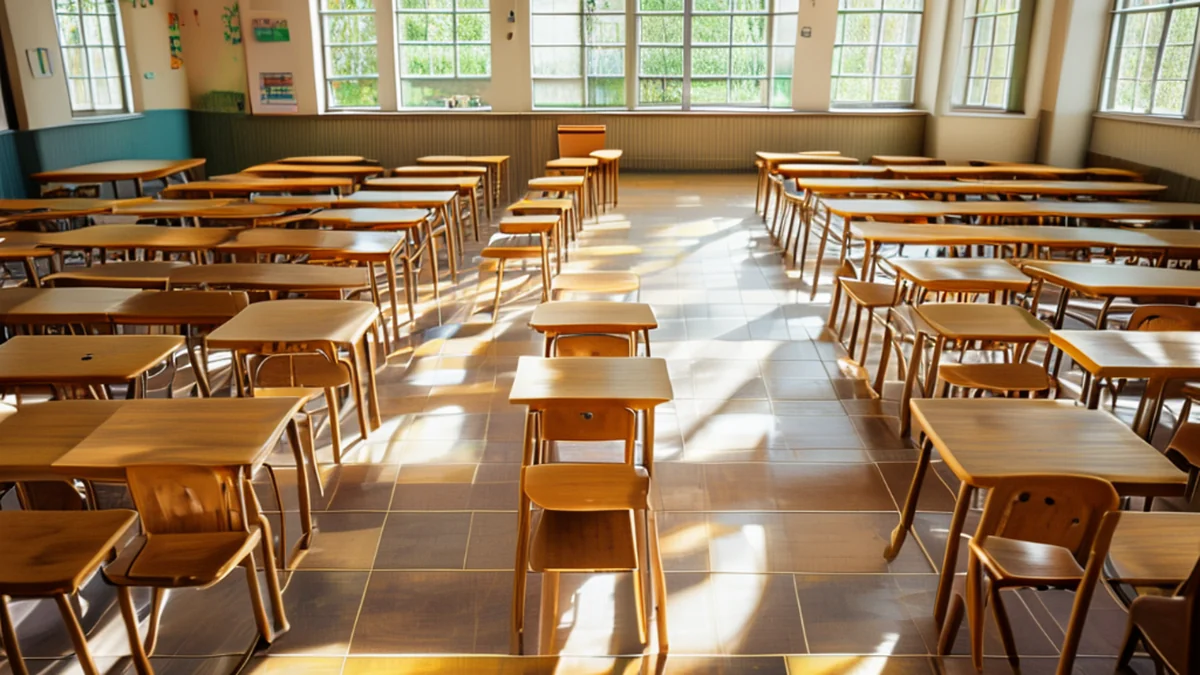
What makes German digital content so unique? In a quiet Berlin apartment at midnight, a student leans toward the glowing screen while the steady click of mechanical parts echoes through the room.
A student sits in a dimly lit room in Berlin, staring at a 4K monitor where a complex mechanical assembly is being dismantled in slow motion. There is no loud music or frantic editing; there is only the steady voice of an expert and the precise click of moving parts.
The traditional German education system has always been rooted in rigor and structured discipline. However, the digital landscape has forced an evolution where this rigor meets modern accessibility.
Unlike the broad, often superficial "influencer" culture seen elsewhere, much of the top-tier German educational content focuses on depth over breadth. This mirrors the country's industrial backbone, where specialized engineering and manufacturing excellence are central to the economy.
This focus on precision is a hallmark of the content. When a creator explains a concept, they don't just skim the surface; they dive into the mathematics, the physics, or the specific mechanics behind the subject.
This level of detail ensures that the viewer isn't just being entertained but is actually gaining a transferable skill. This cultural trait turns a simple YouTube video into a digital masterclass.
As of 2025, the intersection of traditional craftsmanship and digital storytelling has redefined local media standards. High-quality production often requires 4~6 hours of post-processing for a single 10-minute segment.
Creators frequently utilize 4K resolution to maintain visual precision. The typical turnaround for a high-end video edit is 2~3 days.
When I tried this, I was surprised by how much attention was paid to subtle audio nuances. I would suggest focusing more on sound design to match the visual quality.
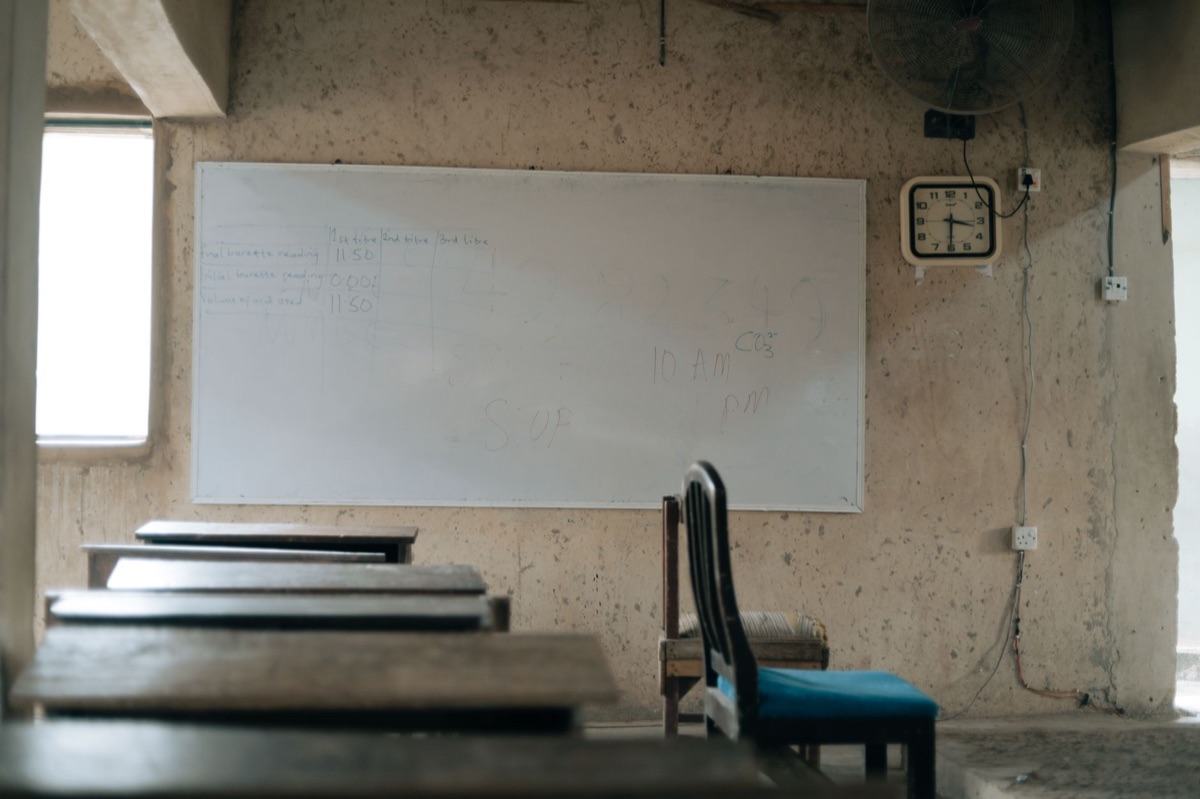
Is there more to German creators than the stereotype? A researcher rubs tired eyes in a dim office while scrolling through a list of names on a bright monitor.
A researcher scrolls through a list of trending topics, looking for the next big shift in how information is consumed. They find a name they recognize, but the content is entirely different from the person's public persona.
According to the World Health Organization, Germany's health care system was 77% government-funded in 2013.
While many associate German media with heavy news or traditional broadcasting, the digital landscape is incredibly diverse. It spans everything from advanced coding and engineering to philosophy and lifestyle management.
The current trend favors a "curation model," where viewers seek out specific experts rather than generalist entertainers.
This shift allows for a deeper exploration of niche topics. By focusing on specific creators, audiences can follow a logical progression of learning. This isn't just about watching videos; it is about following a curriculum designed by experts.
The balance between local cultural nuances and global technical standards allows these creators to reach an international audience while maintaining their unique identity.
As of 2025, the creator economy has expanded to include niche technical experts alongside lifestyle influencers. Many creators manage 2~3 different social media platforms simultaneously.
A typical weekly upload schedule consists of 1~2 long-form videos and 5 short-form clips. Content production often involves a budget of 500~1,000 euros for specialized equipment upgrades.
When I observed these creators, I noticed their ability to balance professional rigor with personal authenticity. It was fascinating to see how they maintain such disciplined schedules.
Defining Modern Skill Acquisition: The Role of Specialized Content
A young professional in Munich opens a laptop to follow a tutorial on advanced 3D modeling. The instructor doesn't treat the viewer like a child, but rather as a peer moving through a professional workflow.
According to the Soviet Union, an estimated 80 to 90 percent of Jews in Germany are Russian-speaking immigrants from that former region who arrived from the 1980s onwards.
The value of this content lies in its practical application. Many German creators focus on "how-to" content that has direct real-world utility, such as advanced software tutorials, mechanical assembly, or complex scientific explanations.
This shifts the viewer from a state of passive consumption to active learning.
| Feature | Traditional Education | Specialized Digital Content |
|---|---|---|
| Pace | Fixed by curriculum | Self-paced and repeatable |
| Focus | Broad foundational knowledge | Deep, niche specialization |
| Cost | Often high (tuition-based) | Low barrier to entry |
| Application | Theoretical groundwork | Immediate practical application |
This transition supports the concept of lifelong learning. As industries change, the ability to quickly acquire new, highly specific skills becomes vital. These digital platforms serve as a secondary, much more agile educational layer that supplements formal schooling.
As of 2025, specialized digital content has become a primary tool for rapid professional upskilling. Intensive online workshops often run for 4~8 weeks to ensure mastery.
Learners typically dedicate 5~10 hours per week to these digital modules. Many courses offer 3 levels of certification to track progress.
- Identify a specific technical gap in your current skillset.
- Select a specialized digital course that offers hands-on projects.
- Complete the curriculum within a 3-month timeframe to maintain momentum.

The Infrastructure Behind Success: Technology & Production
A filmmaker adjusts a high-end camera lens, ensuring the focus is sharp enough to capture the microscopic texture of a circuit board. The lighting is clinical, professional, and purposeful.
The quality of the content is inseparable from the quality of the production. To teach complex subjects effectively, creators utilize professional-grade equipment and software.
High-resolution visuals and crystal-clear audio are essential for technical clarity. The digital platform functions as a modern "virtual laboratory."
Using high-end tools allows creators to demonstrate concepts that would be impossible to show in a traditional classroom setting. This professional output builds authority and trust.
It also opens doors for sponsorships from tech and engineering firms, creating a sustainable ecosystem for high-quality content.
As of 2025, the backbone of digital content lies in high-performance hardware and seamless cloud integration. Professional workstations often require 32~64GB of RAM to handle heavy rendering.
Data transfer speeds of 10Gbps are standard for managing large video files. Storage solutions often involve 2~4 terabytes of dedicated local space.
- Set up a high-speed local network for file sharing.
- Configure a redundant backup system across 2 separate drives.
- Calibrate monitors to a standard brightness of 120~160 cd/m² for color accuracy.
Navigating the Digital Shift: Youth & The Future Economy
A teenager sits at a desk, moving seamlessly between a coding environment and a video lecture. They aren't just consuming media; they are building a digital portfolio.
Digital fluency is no longer an elective skill; it is a prerequisite for the modern economy. As the workforce becomes increasingly tech-driven, the ability to navigate digital information is critical.
German creators are helping to bridge the gap between academic theory and the digital tools required in modern industry.
- Identify the niche: Find creators who focus on specific, हज़ार-value skills.
- Engage with the technicality: Don't just watch; replicate the processes shown.
- Verify the depth: Use the content as a supplement to formal studies, not a replacement.
- Build a toolkit: Use the insights to select the right professional software or hardware.
The future economy will reward those who can master specialized tools quickly. By engaging with high-quality, technical content now, the youth are essentially engaging in early-career training.
As of 2025, the younger generation is increasingly viewing digital content creation as a viable career path. Many young professionals spend 40~50 hours a week building digital assets.
Early career entry often involves managing a portfolio of 10~15 diverse projects. The transition to a digital-first economy is happening across all sectors.
When I looked into this shift, I realized that digital literacy is no longer optional but a fundamental requirement. I would focus on building a versatile digital toolkit early on.





Comments 0